

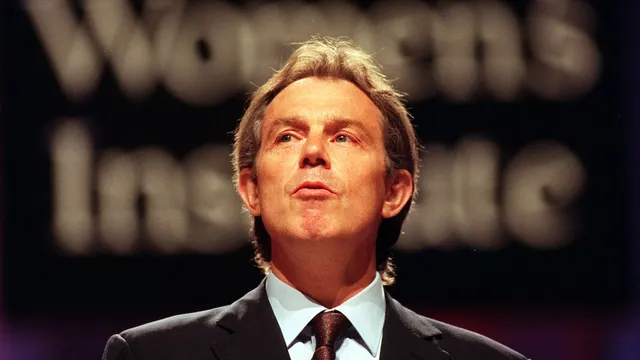
Blair refuses to share Sellafield intelligence with Ireland amid terror threats
Blair refuses to share Sellafield intelligence with Ireland amid terror threats
- Bertie Ahern wrote to Tony Blair after the Madrid train bombings, warning of threats to the Sellafield nuclear facility.
- Blair declined Ahern's request to share intelligence, citing the need to protect UK sources.
- The refusal led to increased tensions between the UK and Ireland regarding security matters.
Story
In the aftermath of the devastating Madrid train bombings in March 2004, which resulted in 193 fatalities, Irish Prime Minister Bertie Ahern expressed urgent concerns to Tony Blair regarding the potential risks posed to the Sellafield nuclear facility in the UK. In a letter, Ahern emphasized the necessity for cooperation and communication in light of the increasing threats from global terrorists, suggesting that their actions warranted special attention. He described the situation as a 'transnational catastrophe' that could impact both Ireland and the UK if any harmful events occurred at Sellafield. However, Blair’s response was cautious and ultimately dismissive. He emphasized the importance of protecting the integrity of sensitive intelligence. MI5 expressed grave concerns about sharing sensitive materials with Dublin, noting the risks involved and insisting on confidentiality regarding the UK's intelligence sources. Ahern was frustrated with this decision, arguing that safeguarding the lives of citizens should take precedence over intelligence confidentiality. Despite Blair's assurances that he would inform Ireland of any real threats to Sellafield, the lack of cooperation sparked further tension. Irish officials felt they had to press the UK for information actively, culminating in a series of legal challenges against the UK and heightened opposition on the issue. This situation highlights the complexities of UK-Ireland relations concerning security matters and the ongoing sensitivities surrounding the relevant nuclear facilities. The fallout from the intelligence-sharing refusal compounded the challenges both leaders faced as they navigated the intricacies of a post-Good Friday Agreement political landscape, where relations had to be managed carefully against a backdrop of increased public scrutiny and pressure from various stakeholders regarding nuclear safety.


