

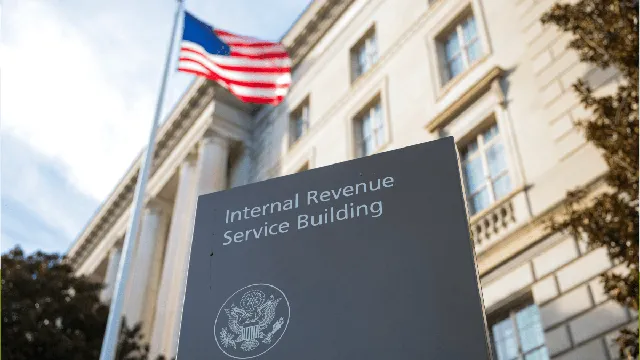
Businesses face penalties for missing IRS tax filing deadlines
Businesses face penalties for missing IRS tax filing deadlines
- The IRS deadline for filing essential tax forms passed on January 31, 2026, requiring compliance from businesses and employers.
- Penalties for late, incorrect, or missing filings apply, starting at $60 per return and escalating for delays.
- Businesses must adhere to IRS requirements to avoid significant penalties and maintain financial integrity.
Story
In the United States, the Internal Revenue Service (IRS) has established a critical deadline for businesses and employers concerning tax forms. As of January 31, 2026, the deadline for filing specific documents has elapsed, with businesses potentially incurring penalties for any late, incorrect, or missing submissions. Employers were mandated to file necessary tax forms including Form W-2, Form W-3, and Form 1099-NEC, which report wages, tax withholdings, and payments for nonemployees across various service sectors. The IRS emphasizes the necessity of filing these forms with the Social Security Administration (SSA) and distributing copies to all employees by the deadline. Compliance is crucial, as failing to file properly can lead to financial repercussions. For instance, penalties are applied per return filed late or incorrectly. These penalties escalate based on how long after the deadline the forms are amended or corrected. For 2026, the established penalties start at $60 for late filings within 30 days of the deadline. While such amounts may seem manageable, they can quickly accumulate, reaching $130 for filings after the 30-day grace period but before August 1, and escalating to $340 for any late submissions beyond that. Additionally, separate fines apply for not providing copies to employees as required, underscoring the multiple responsibilities employers shoulder under tax law. The IRS also imposes interest on unpaid penalties until they are settled in full, aggravating the financial impact on those who do not manage their tax responsibilities effectively. Taxpayers encountering challenges with immediate payments are advised to make partial payments and seek out payment plans, which may help mitigate further penalties and accruing interest. This complex web of regulations and consequences necessitates that businesses remain vigilant with their tax filings to avoid unexpected financial burdens.
Context
Missing IRS tax deadlines can lead to a range of significant consequences for taxpayers. When an individual fails to file their tax return by the deadline, they may face penalties. For instance, the failure-to-file penalty can amount to 5% of the unpaid tax for each month or part of a month that the tax return is late, up to a maximum of 25%. Additionally, if the taxes are not paid by the due date, the failure-to-pay penalty may apply, which is generally 0.5% of the outstanding balance for each month the payment is overdue, which can accumulate if the payment is delayed further. Timely filing and payment are crucial to avoid these escalating penalties that can significantly increase the total amount owed to the IRS. Beyond monetary penalties, failing to meet tax deadlines can also complicate one’s financial situation. Taxpayers who do not file their returns on time will receive a notice from the IRS, which may add stress and anxiety as they deal with the repercussions of their actions. Moreover, unfiled taxes can lead to the IRS filing a substitute return on behalf of the taxpayer, generally resulting in a higher tax bill. This substitute return does not take into account any deductions or credits the taxpayer might otherwise be eligible for, potentially leading to even higher tax liabilities. An important aspect of managing tax obligations is to understand the options available for those who miss deadlines. Taxpayers may request an extension to file their tax return, which can provide additional time, albeit not to pay any taxes owed. This extension typically allows taxpayers to pay their taxes up to six months later, but they must estimate their tax liability and ensure that any payment due is made by the original deadline to avoid penalties. If a taxpayer is unable to pay their tax bill in full, it is advisable to pay as much as possible and explore payment plan options with the IRS to manage the remaining balance effectively. In summary, missing IRS tax deadlines can lead to severe financial consequences, including hefty penalties and added stress. Taxpayers should be proactive in managing their tax responsibilities, ensuring timely filings and payments to avoid complications. If deadlines are missed, it is crucial to act swiftly by exploring available extensions, understanding the potential penalties, and communicating with the IRS to mitigate the impact of late filings and payments.


