

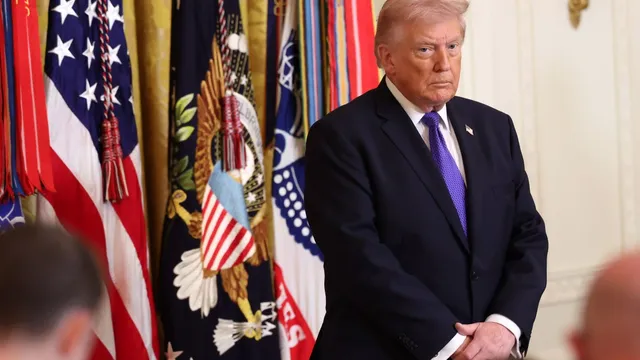
Congress faces struggle to fund military operations against Iran
Congress faces struggle to fund military operations against Iran
- Congressional Republicans are considering a second reconciliation process to secure military funding against Iran.
- Democrats are likely to block these funding efforts, reflecting ongoing partisan divisions over military spending.
- The outcome will significantly impact U.S. military strategy and the upcoming elections.
Story
In March 2026, the United States is grappling with funding military operations against Iran amidst ongoing debates in Congress. The current political climate is highly polarized, with Congressional Republicans contemplating a second reconciliation process to secure the necessary funding. However, they are likely to face opposition from Democrats who have historically been resistant to military funding, primarily due to their perception of the conflict with Iran. The complexities of military funding are exacerbated by a previous deal from the Obama administration which critics claim empowered Iran, leading to skepticism among some lawmakers regarding the necessity of increased military spending. As the situation evolves, the Appropriations Committees of both the Senate and House, spearheaded by Republican leaders, are tasked with creating a budget that accommodates not only regular military appropriations but also the supplementary funds required for heightened military actions. The Republicans' narrow majority complicates the situation, as fewer members support the idea of another reconciliation process after experiencing difficulties with previous budget agreements. Tensions between U.S. and Israeli military objectives also add layers of complexity to the legislative discussions. Analysts suggest that while both allies share the common goal of curbing Iranian influence, there may be diverging views on execution, especially in terms of oil infrastructure targets. U.S. interests might prioritize avoiding significant disruptions to global oil prices, while Israel, viewing the Iranian regime as an existential threat, could advocate for more aggressive strikes against Iranian oil facilities. This disparity could influence the overall strategy moving forward and create additional friction in the relationship between the two allies. Looking ahead, the potential for increased military engagement with Iran hinges on Congress's ability to align on a budget that reflects both defense needs and political realities. As discussions continue, the Republican Party seeks to position itself as the side championing military spending against perceived threats, while the Democrats face pressure to explain their opposition in front of an electorate keenly aware of national security concerns ahead of the upcoming elections.
Context
The Iran deal, formally known as the Joint Comprehensive Plan of Action (JCPOA), was a landmark agreement reached during the Obama administration in 2015 with the goal of curtailing Iran's nuclear weapon development. The deal imposed restrictions on Iran’s nuclear program in exchange for the lifting of economic sanctions. This agreement significantly influenced U.S. military strategy in the Middle East, creating a framework for diplomatic engagement while also raising concerns about Iran's regional activities. As the deal progressed, it led to a shift in U.S. defense posture, emphasizing the importance of multilateral diplomacy alongside military readiness to address any potential threats from Iran and its allies. This was crucial in shaping new alliances and recalibrating traditional partnerships in the region, as nations reassessed their positions in light of the changing dynamics brought about by the deal. Despite its intentions, the JCPOA received criticism, particularly concerning its effectiveness in preventing Iran from pursuing aggressive military strategies. Critics argued that while the deal limited nuclear proliferation, it did not adequately address Iran's ballistic missile program or its support for proxy groups, which posed a threat to U.S. interests and regional stability. Consequently, the U.S. military strategy evolved to incorporate countering these non-nuclear threats, leading to increased support for military partners in the region and enhanced defensive capabilities. As subsequent administrations navigated the complex geopolitical landscape, the initial military strategy developed during the Obama era required recalibration in light of the perceived failures of the JCPOA and Iran's continued assertiveness in Iraq, Syria, and elsewhere. The reimposition of sanctions by the Trump administration in 2018 and its withdrawal from the JCPOA intensified military considerations and fostered a more aggressive military strategy towards Iran and its proxies, particularly through the use of targeted strikes and increased military presence in the region. This shift illustrated the volatile nature of U.S.-Iran relations and highlighted the need for a dynamic military strategy capable of adapting to rapidly changing scenarios. As of March 2026, the implications of the JCPOA continue to reverberate through U.S. military policy, where a focus on deterrence, counter-terrorism, and the need for stable partnerships remains paramount. The nuanced balance between diplomacy and military readiness remains a critical aspect of U.S. strategic planning regarding Iran. In light of these developments, future U.S. military strategy concerning Iran will likely require a multi-faceted approach, combining diplomatic channels to manage the nuclear threat while simultaneously addressing the broader spectrum of Iran's regional influence and military capabilities. Engagement with allies and partnerships will be essential in crafting a cohesive strategy that seeks to deter aggression while maintaining pressure on Iran's nuclear ambitions and regional destabilizing activities. The legacy of the Iran deal has underscored the complexities of military strategy when intertwined with diplomatic efforts, requiring ongoing assessment of both conventional military dynamics and the non-military challenges posed by illicit activities in the region.


