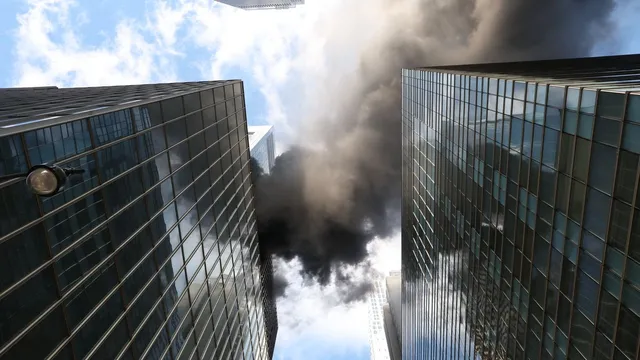
The impact of fires on major city events presents a profound challenge for urban areas, affecting both the immediate response during events and the long-term implications for city planning and public safety. Fires, be they wildfires in surrounding areas or urban fires due to accidents or unrest, can disrupt large gatherings, festivals, and public conferences. City events often rely heavily on safety protocols and emergency responses; thus, any fire emergency can lead to a reevaluation of these protocols and a shift in how events are organized and executed. Increased scrutiny over safety measures becomes an essential response to the devastating effects that fires can have on urban life and social engagements.
Furthermore, the psychological impact of fires should not be overlooked. Communities traumatized by fire incidents may exhibit reluctance to attend large public events or gatherings, leading to decreased participation in celebrations that boost local economies and neighborhood cohesion. Local businesses that thrive on event crowds may witness significant losses, particularly if fires lead to extended periods of city shutdown or reduced foot traffic. This economic ripple effect can prompt city officials to reconsider public event scheduling, possibly moving events to less susceptible times or locations. Moreover, this behavioral change in attendance can perpetuate a cycle of fear that affects future event planning and community engagement.
In response to this ongoing challenge, cities are increasingly adopting innovative strategies aimed at mitigating fire risks during major events. Enhanced technology, including real-time fire monitoring systems, drone surveillance, and optimized crowd management strategies, aids local authorities in better managing fire threats while ensuring that safety remains a priority for all attendees. Coordination with fire departments and emergency services is now more critical than ever, as proactive measures, such as fire drills and the implementation of fire safety codes during events, help to create a more secure environment. This collaboration reflects a transition toward a more comprehensive approach to city events that acknowledges the risks of fire while still allowing public life to flourish.
The long-term implications of fire events on city planning are evident, as urban environments are restructured to be more resilient in the face of fire threats. This not only involves reviewing and enhancing fire safety regulations but also integrating community feedback into planning processes. Developing firebreaks, increasing green spaces, and improving infrastructure can provide both aesthetic and practical benefits to urban life, decreasing the likelihood of fire hazards during major events. Ultimately, addressing the impacts of fires on major city events requires a multi-faceted approach that considers immediate safety measures, community psychology, innovative response strategies, and long-term urban planning. By navigating these challenges, cities can foster safer environments for significant events while promoting public engagement and resilience.