

Labour faces trust crisis on economy surpassing Liz Truss's tenure
Labour faces trust crisis on economy surpassing Liz Truss's tenure
- Business confidence in the UK has significantly decreased following the recent Budget announcements, according to the Institute of Directors.
- A YouGov poll reveals that only 10 percent of people trust Labour with the economy, lower than trust levels for the Conservatives during Liz Truss's time.
- The Labour government faces calls to improve economic growth prospects and regain public trust amidst rising costs and diminishing expectations.
Story
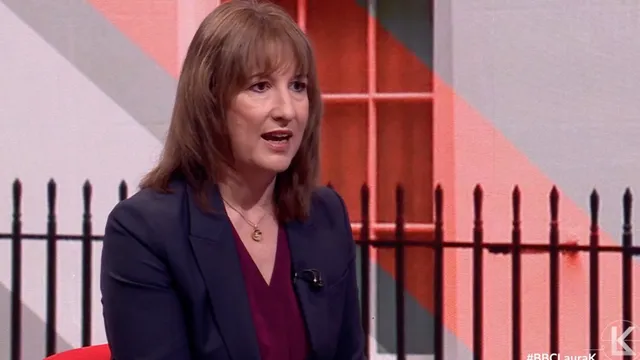
In the aftermath of the recent Budget, business confidence in the UK has plummeted to near record lows, sparking concerns among industry leaders regarding future economic growth. The Institute of Directors reported a shockingly low Economic Confidence Index, indicating that many business leaders expect their revenues to decrease and investment to decline. Rachel Reeves, the Labour chancellor, is under increasing pressure from colleagues and the public to take bold actions that could stimulate growth and improve economic sentiment, particularly after the announcements made in the Budget. The OBR has downgraded growth forecasts for the UK to a mere 1.5 percent for the year, predicting further deterioration for the following years. In addition, the Budget raised £26 billion in taxes without substantial measures to enhance growth, which raised eyebrows about its potential effectiveness. Business leaders voiced their displeasure, expressing concerns over rising costs, including an expected £130 million in additional expenses for firms like Mitchells & Butlers due to higher wage demands and escalating food prices. These developments have prompted calls within the Labour Party for swifter action and clearer communication regarding fiscal health and expectations. Furthermore, a recent YouGov poll reflected deep-seated apprehension about the government’s economic messaging. Only 10 percent of respondents expressed trust in Labour's leadership on economic matters, a stark contrast to the 17 percent trust recorded for the Conservatives under Liz Truss's brief tenure. Public perception is not helping, as many believe that Reeves exaggerated the financial situation leading up to the Budget, with only a small fraction thinking that the measures will have a positive impact on their personal finances or the country's economic standing. This environment of uncertainty presents a significant challenge for Labour leaders as they strive to regain public confidence. Sir Keir Starmer has asserted that government needs to accelerate efforts to stimulate economic growth and that reforms to energy regulations, especially for nuclear power, will be essential in this endeavor. As the political and economic landscape unfolds, the Labour Party's ability to effectively manage public trust and economic challenges will be closely scrutinized in coming months.
Context
The role of the Labour Party in shaping economic policies has been a focal point of political discourse, particularly as the UK navigates persistent economic challenges. Trust in the Labour Party regarding economic governance has undergone shifts, influenced by factors including previous governmental performance, current economic conditions, and the party's evolving policy proposals. Public perception often weighs heavily on the experiences of voters during Labour's time in power, combined with recent opposition critiques and promises made for future governance. In historical context, Labour has traditionally positioned itself as the party of social equity, aiming to bridge the gap between varying economic sectors and promote welfare-oriented policies. Yet, the economic climate post-2023 has presented fresh complications that necessitate a nuanced understanding of public trust in their proposed economic paths. As of late 2025, opinion polls indicate a fluctuating trust index regarding the Labour Party’s economic strategies among the electorate. Many voters express skepticism based on historical precedents where certain policies have not yielded expected outcomes. This skepticism is compounded by broader economic pressures, such as inflation, unemployment rates, and public service funding challenges that dominate media narratives. Furthermore, the effectiveness of economic measures proposed by the Labour Party must be evaluated in light of their ability to communicate long-term visions that resonate with the populace's immediate struggles. Demonstrating a connection between policy proposals and tangible benefits for communities remains paramount in reinforcing trust. Importantly, the Labour Party's approach to economic policy must consider the implications of global economic trends and domestic priorities. Issues such as climate change, technological advancements, and social inequality shape market dynamics and influence voter preferences. In this context, the party's plan to integrate sustainable economic growth with a robust welfare state could enhance their credibility. Voter engagement in discussions around economic resilience, recovery from COVID-19 repercussions, and preparedness for future challenges could advance public trust if the Labour Party positions itself authentically in these dialogues. In summation, the evolution of public trust in the Labour Party on economic policies remains a pressing concern as the political landscape continues to evolve amidst shifting economic realities. The party’s ability to establish credibility hinges on clear communication, responsiveness to public sentiment, and the efficacy of their proposed policies in addressing the contemporary challenges faced by citizens. Long-term trust will require the Labour Party not only to articulate their vision convincingly but also to implement tangible solutions that improve economic conditions and demonstrate commitment to the welfare of the populace.


