

business
informative
controversial
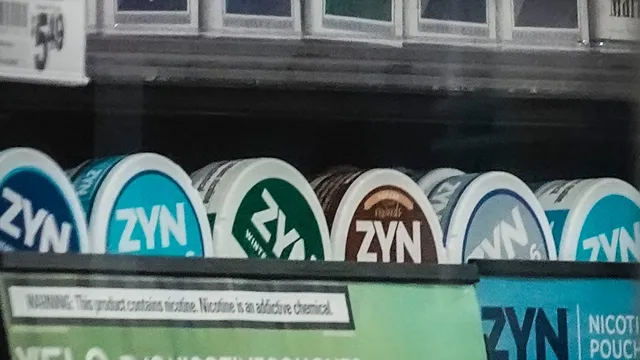
FDA weighs approval for Philip Morris to market Zyn as safer than cigarettes
Jan 22, 2026, 4:00 PM10
(Update: Jan 22, 2026, 4:00 PM)
business
informative
controversial
FDA weighs approval for Philip Morris to market Zyn as safer than cigarettes
- The FDA is conducting a review of Philip Morris International's proposal to market Zyn as a less harmful alternative to cigarettes.
- Zyn has been authorized for sale due to evidence suggesting it poses lower risks compared to traditional tobacco products.
- Approval of reduced-risk advertising could reshape the marketing landscape for tobacco alternatives in the U.S.
Insights
News 1 1
Reports
Opinions
Story
“
shift global trends shift data trends economic impact data data economic economic impact impact data geopolitical strategic analysis analysis insight analysis impact policy geopolitical market impact impact shift economic impact policy economic geopolitical economic data analysis impact insight market geopolitical market shift data trends shift data policy policy policy geopolitical insight geopolitical data global global impact geopolitical impact trends impact market impact analysis insight geopolitical analysis policy trends strategic policy market market data market data policy global geopolitical shift trends...
2026 All rights reserved



2026 All rights reserved