

Institut Pasteur supports Africa's pandemic preparedness amid global funding cuts
Institut Pasteur supports Africa's pandemic preparedness amid global funding cuts
- The Institut Pasteur in Senegal is enhancing disease surveillance to prepare for potential pandemics.
- Dr Diallo, impacted by the 2014 Ebola outbreak, emphasizes the need for rapid detection and response systems.
- Continued funding and local training are essential to tackle health crises effectively in Africa.
Story
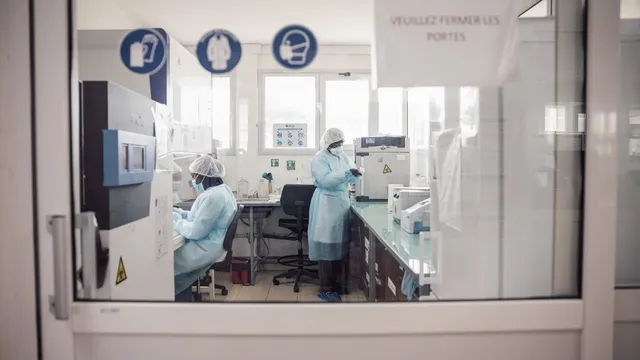
Senegal is preparing for potential disease outbreaks as global funding for health initiatives declines. The Institut Pasteur, which has a long history of responding to health crises, has been training local health workers since the Ebola outbreak in 2014. Dr Diallo, who witnessed the chaos of the West African Ebola epidemic, is determined to enhance local surveillance and intervention capabilities. His experiences have shaped the institute's approach, leading to a rapid response to various outbreaks, including the recent Mpox outbreak in Sierra Leone, where mobile testing labs were deployed due to limited local resources. The UK’s Foreign, Commonwealth and Development Office plans to inject significant funding into the Institut Pasteur to bolster disease surveillance centers throughout West Africa, illustrating emerging recognition of the region’s critical health needs and the urgency for improved local responses to infectious diseases. Yet, despite this assistance, inequities in vaccine access from Western countries remain a pressing issue, indicating the necessity for targeted global health strategies to ensure equitable treatment across continents. Without continued investment in infrastructures like the Institut Pasteur, the continent may struggle to keep pace with the threats posed by newly emerging pathogens.
Context
The impact of global funding cuts on African health initiatives has emerged as a critical area of concern for policymakers, healthcare professionals, and communities across the continent. Over recent years, numerous international organizations have provided substantial financial support to various health programs in Africa, aimed at combating diseases, improving maternal and child health, and strengthening healthcare systems. However, with the shifting focus of donor countries and a decline in international aid, health initiatives in many African nations are facing significant setbacks. These funding cuts jeopardize the gains made in infectious disease control, vaccination programs, and overall health infrastructure, leaving millions vulnerable to preventable diseases and inadequate healthcare services. As budgets shrink, many health programs are forced to reduce their scope and effectiveness. Programs that focus on HIV/AIDS, malaria, and tuberculosis may experience diminished outreach and treatment availability, leading to increased morbidity and mortality rates. The reductions in financial support can also cripple efforts in maternal and child health, where resources are necessary for prenatal care, skilled birth attendance, and vaccination coverage. The consequences of these cuts can be dire, compounding the challenges of already overstretched health systems and leading to a resurgence of diseases that had previously been under control. In addition, the shortage of funding limits the ability to train and retain healthcare workers, further exacerbating the challenges faced by health systems in many regions. Moreover, funding cuts can disproportionately affect marginalized populations, including women, children, and rural communities who often rely heavily on these health initiatives for essential services. When these vulnerable groups experience barriers to healthcare access, the disparities in health outcomes widen, leading to systemic inequities. For instance, programs aimed at improving reproductive health or providing maternal care may find themselves unable to meet the needs of communities that are already underserved. Such inequalities can stifle broader socio-economic development across the continent, as poor health status directly influences productivity and economic growth. In response to these challenges, it is essential for African governments, non-governmental organizations, and community leaders to advocate for sustainable funding solutions and innovative resource mobilization strategies. Building partnerships with private sector entities, promoting local financing initiatives, and leveraging technology to improve healthcare delivery can help mitigate the adverse effects of funding cuts. Furthermore, there is a pressing need for a collective voice on the international stage to ensure that the health needs of Africans remain a priority in global health discussions. As the landscape of funding for health initiatives continues to evolve, a resilient and responsive approach is critical to safeguard the health of communities across the continent and to uphold the commitment to universal health coverage.


