
business
informative
impactful

Bangladesh seeks $2 billion loans to tackle energy crisis

Mar 21, 2026, 4:37 PM10
(Update: Mar 21, 2026, 4:37 PM)
country in South Asia

Bangladesh seeks $2 billion loans to tackle energy crisis

  • Bangladesh is trying to secure around $2 billion in loans from multilateral agencies to address an energy crisis.
  • The IMF has pledged $1.3 billion and the Asian Development Bank $500 million to support the country's budget.
  • The government is seeking loans as part of a strategy to maintain energy supply amid rising global fuel prices.
Share your opinion
1

Story

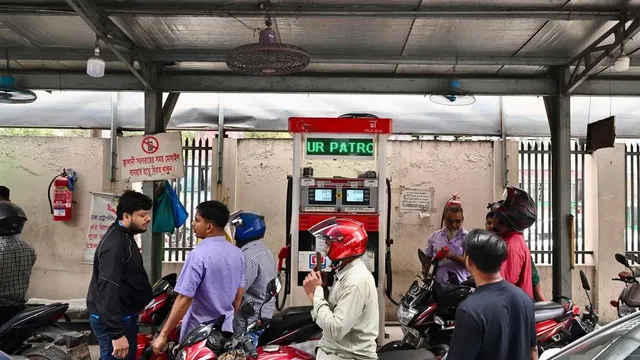
Bangladesh is currently facing a significant energy crisis, driven in part by soaring global fuel prices, which have been exacerbated by ongoing conflicts in the Middle East. On March 21, 2026, Rashed Al Titumir, the finance and planning adviser to the Prime Minister, announced that the government is pursuing loans totaling approximately $2 billion from various multilateral agencies. The International Monetary Fund (IMF) has committed to providing $1.3 billion, while the Asian Development Bank has pledged $500 million as budgetary support. These loans are crucial as the government aims for early disbursement to alleviate the energy crisis. In recent weeks, the Bangladesh government has implemented a series of measures to reduce fuel consumption, which has included halting production at most fertiliser factories and setting limits on fuel purchases at gas stations. The authorities have also deployed police at filling stations and are utilizing the navy to escort liquefied natural gas (LNG) shipments to ensure they reach their destinations safely. As the country imports 95 percent of its oil and gas needs, the energy crisis poses a serious economic threat. Despite this challenge, the Bangladeshi government has refrained from raising electricity and fuel prices, which has further strained its foreign currency reserves. Professor Al Titumir emphasized the necessity for loans, saying that finding alternatives was becoming increasingly vital so as to maintain the country's foreign currency reserves intact. The government is also considering other potential energy sources from North America, South America, or Africa to diversify its energy supply. Given that around 35 percent of the country’s gas supply comes from the Middle East and with increasing tensions in the area, the potential for disruption in energy supplies is ever-present. A recent attack on a facility at Qatar’s Ras Laffan LNG hub underscored the fragility of the current energy supply arrangements and their reliance on the Middle East. If the situation worsens, the ramifications could be severe for Bangladesh, prompting the government to explore all feasible avenues for sustainable energy sources moving forward.

2026 All rights reserved
