

Shipping pollution fuels climate crisis in Arctic
Shipping pollution fuels climate crisis in Arctic
- The number of ships in Arctic waters has increased by 37% from 2013 to 2023.
- Black carbon emissions from Arctic shipping rose from 2,696 metric tons in 2019 to 3,310 metric tons in 2024.
- Regulating shipping emissions is crucial for addressing the environmental challenges posed by increased Arctic ship traffic.
Story
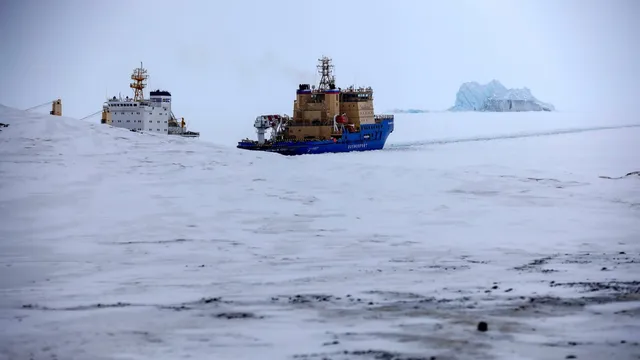
Iceland is facing increasing environmental challenges as rising global temperatures accelerate sea ice melting in the Arctic Ocean. This situation has led to a significant rise in maritime traffic, as routes previously frozen are now navigable by cargo ships, fishing boats, and cruise liners. According to a report by the Arctic Council, the number of ships entering Arctic waters north of the 60th parallel surged by 37% between 2013 and 2023. This uptick in shipping activity correlates with increasing black carbon emissions, a pollutant emitted from ship exhaust that exacerbates climate change by causing ice to melt faster than it would otherwise. Concerns about the environmental impact of black carbon have triggered discussions among nations and environmental groups, who are now lobbying the International Maritime Organization (IMO) for stricter regulations surrounding shipping emissions. These advocates point out that black carbon has a warming effect up to 1,600 times greater than carbon dioxide over a 20-year period. Heightened regulations are particularly important given that the Arctic has become the fastest warming area on Earth. As of 2024, the emissions from ships have seen an increase from 2,696 metric tons of black carbon in 2019 to an estimated 3,310 metric tons. Despite the growing consensus on the need for cleaner shipping fuels, geopolitical tensions complicate progress. The political landscape is further complicated by nations' economic interests in the Arctic, where fishing industries exert considerable influence. Iceland's Ministry of Environment, Energy and Climate expressed a need for further study of the proposed regulations on polar fuels, while also acknowledging the necessity for stronger measures against shipping emissions and black carbon. Even with an established ban on heavy fuel oil that is set to take effect by 2024, the anticipated reduction in black carbon emissions appears minimal due to various waivers and exceptions that allow some ships to continue utilizing these fuels until 2029. Environmental groups are adamant that regulating ship fuel usage is critical to effectively lowering black carbon levels and addressing the overarching issue of climate change in the region. The interplay of commercial interests, environmental impact, and regulatory challenges represents a complex dilemma that highlights the urgent need for effective governance in the Arctic as climate change intensifies.
Context
Black carbon, a component of particulate matter, has gained attention as a significant contributor to climate change, especially in sensitive regions like the Arctic. It is formed through incomplete combustion of fossil fuels, biofuels, and biomass, and its presence in the atmosphere influences various climatic processes. In the Arctic, black carbon settles on snow and ice, reducing their albedo or reflectivity. This phenomenon leads to accelerated melting and contributes to the overall warming of the region. Understanding the impact of black carbon is crucial, as it not only affects local climates but also has implications for global climate patterns. The dark particles of black carbon absorb sunlight, which heats the surrounding air and leads to the melting of ice and snow. This reduction in reflective surfaces further exacerbates warming, creating a feedback loop as less ice leads to more absorption of solar energy by the ocean. This process is particularly alarming in the Arctic, where temperatures are rising at nearly twice the global average. The changes triggered by black carbon affect not only the ecology of the region but also the indigenous populations and wildlife that rely on the sea ice and stable climate. Mitigation strategies for black carbon emissions can effectively address climate change in the Arctic. Regulations aimed at reducing emissions from diesel engines, residential heating, and open burning could significantly decrease the levels of black carbon in the atmosphere. Furthermore, international cooperation is vital to implement these strategies, as the effects of black carbon are not confined to a single nation. Programs like the Climate and Clean Air Coalition are examples of collaborative efforts to tackle black carbon emissions and their impacts on climate. Research continues to explore the extent of black carbon’s influence on the Arctic climate and the effectiveness of various mitigation measures. Studies indicate that reducing black carbon emissions could lead to a significant slowdown in the rate of Arctic warming and ice melt. This highlights the urgency of addressing black carbon as part of broader climate change strategies. As the impacts of climate change continue to unfold, evidence suggests that targeted actions against black carbon will play a pivotal role in stabilizing the Arctic environment and mitigating further global climate change.


