

National Guard shooting suspect charged with murder after ambush in D.C
National Guard shooting suspect charged with murder after ambush in D.C
- Rahmanullah Lakanwal faces charges for the November 25, 2025, shooting which resulted in the death of one soldier and injury to another.
- Community concerns regarding Lakanwal’s mental health had been raised prior to the incident, indicating warning signs.
- The attack triggered discussions on asylum vetting processes and national security protocols for incoming refugees.
Story
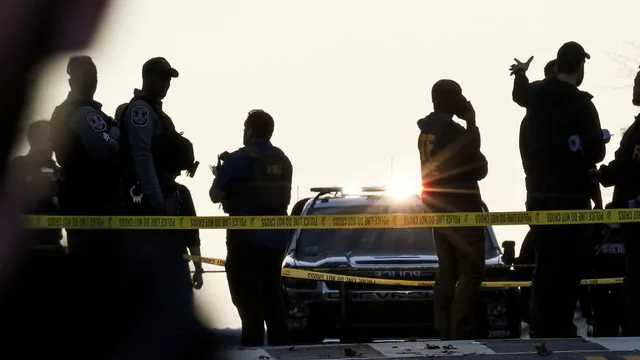
In Washington, D.C., an alarming incident unfolded on November 25, 2025, when Rahmanullah Lakanwal, a 29-year-old Afghan national, allegedly shot two National Guard members, resulting in the death of one and critical injuries to another. The attack occurred just blocks from the White House during a high visibility patrol conducted by the West Virginia National Guard in response to heightened security concerns following previous unrest in the capital. Specialist Sarah Beckstrom, aged 20, was killed instantly, while Staff Sergeant Andrew Wolfe, aged 24, sustained serious injuries and is currently hospitalized. Witnesses reported that Lakanwal ambushed the guards, firing at Beckstrom from behind and then attempting to reload before he was subdued after suffering his own injuries during the confrontation. Lakanwal, who entered the U.S. through Operation Allies Welcome shortly after the withdrawal of American troops from Afghanistan in 2021, had a complicated history as a former member of a CIA-backed Afghan military unit. Although he was previously granted asylum in the U.S. in April 2025, his behavior had raised concerning alarms among community members in Bellingham, Washington, where he resided. Reports indicated he had been isolated, unable to maintain steady employment, and showed signs of deep psychological distress prior to the attack, leading to worries that he might harm himself or others. Community advocates had reached out for assistance, fearing he was becoming suicidal. Authorities believe he may have been radicalized while living in the United States, with Homeland Security Secretary Kristi Noem indicating that his connections within his home community might have influenced this transformation. This assertion comes amidst a broader discussion on immigration policies and vetting processes under current and previous administrations. The incident has raised urgent questions about the adequacy of vetting individuals granted asylum and the ongoing security framework within the capital. Following this tragic event, the Department of Justice has stated intentions to seek the death penalty against Lakanwal, as the shooting has added complexity to how Afghan nationals arriving through resettlement should be evaluated and monitored. The fatal shooting has sent shockwaves through the local community and is likely to lead to renewed scrutiny of policies surrounding asylum seekers, especially those with military backgrounds. Many are advocating for stricter vetting processes to prevent similar occurrences in the future, as the emotional weight of this tragedy weighs heavily on families and communities affected by both the violence and the broader implications for national security.
Context
The impact of radicalization on asylum seekers in the US represents a multifaceted issue that intersects national security, human rights, and immigration policy. In recent years, the increasing flow of asylum seekers, particularly from regions affected by conflict and extremism, has raised concerns among policymakers and security agencies regarding the potential for radicalization. Asylum seekers often arrive in the US seeking safety from persecution and violence; however, their vulnerable status can make them susceptible to extremist ideologies, either as a coping mechanism or through coercion from radical groups that seek to exploit their situations. Understanding the dynamics of radicalization in this context is critical for developing informed policies that protect both the rights of asylum seekers and the safety of the broader population. Research indicates that radicalization is a complex process influenced by various factors, including social, psychological, and environmental elements. Asylum seekers may experience trauma, isolation, and discrimination, which can contribute to feelings of disenfranchisement and vulnerability. These factors can sometimes lead to an increased susceptibility to extremist narratives that promise belonging and purpose. Furthermore, the lack of support systems, including access to mental health services and community integration programs, may exacerbate these vulnerabilities. It is vital for advocacy groups and local communities to recognize these risks and provide necessary support to mitigate them, fostering an environment that discourages radical ideologies. Policy responses to the issue of radicalization among asylum seekers must be approached with nuance and care. While national security is of paramount importance, it is equally crucial to uphold the principles of justice and human rights that underpin the asylum process. Initiatives that foster community engagement and promote dialogue between asylum seekers and local populations can play a significant role in preventing radicalization. Positive integration into society, access to education, and economic opportunities can serve as effective buffers against the allure of extremist ideologies, helping asylum seekers to rebuild their lives in a manner that aligns with democratic values and social cohesion. Finally, it is essential for policymakers and researchers to continuously monitor the evolving nature of radicalization in relation to asylum seekers. Collaborative efforts between law enforcement, social services, and community organizations can facilitate information sharing and best practices aimed at preventing radicalization. By addressing the root causes and vulnerabilities of asylum seekers, while also countering extremist narratives, the US can not only safeguard its national security interests but also champion the principles of compassion and justice that define the nation's commitment to those seeking refuge.


