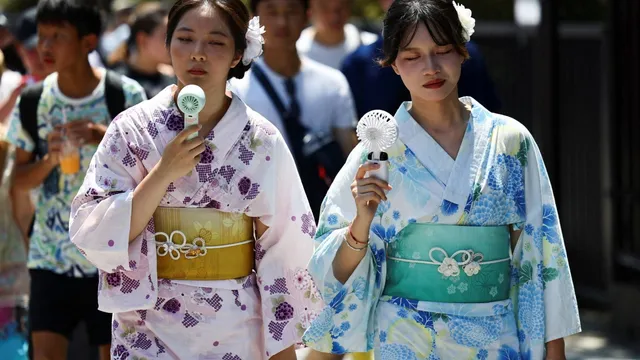
Climate change has emerged as a significant threat to the environmental and social fabric of Japan, particularly during the summer months. Rising global temperatures have led to increased heatwaves, altered precipitation patterns, and intensified typhoons, all of which have profound implications for the country. The summer season, traditionally characterized by high humidity and temperatures, is becoming increasingly extreme, with average temperatures rising steadily. This trend not only affects human health, leading to heat-related illnesses and increased mortality rates, but also places immense pressure on Japan's energy resources as demand for cooling rises. Furthermore, the agricultural sector faces challenges due to unpredictable weather patterns, which can disrupt planting and harvesting cycles, ultimately affecting food security and economic stability.
The impact of climate change on Japan's summers is also evident in the frequency and intensity of natural disasters. Typhoons, which are a common occurrence during the summer months, are becoming more severe due to warmer ocean temperatures. This results in increased rainfall and stronger winds, leading to flooding, landslides, and significant damage to infrastructure. The coastal regions, which are densely populated and economically vital, are particularly vulnerable to these extreme weather events. The government has been forced to invest heavily in disaster preparedness and response strategies, which strains public resources and diverts attention from other critical areas of development.
Moreover, the ecological consequences of climate change during the summer months are alarming. Changes in temperature and precipitation patterns disrupt local ecosystems, affecting biodiversity and the health of marine and terrestrial habitats. For instance, coral bleaching in surrounding waters has been exacerbated by rising sea temperatures, threatening marine life and the fishing industry, which is crucial for many coastal communities. Additionally, shifts in the distribution of plant and animal species can lead to the loss of native species and the introduction of invasive ones, further destabilizing ecosystems.
In conclusion, the impact of climate change on Japan's summers is multifaceted, affecting health, economy, infrastructure, and ecosystems. As the country grapples with these challenges, it is imperative for policymakers to prioritize climate adaptation and mitigation strategies. This includes investing in renewable energy, enhancing disaster resilience, and promoting sustainable agricultural practices. By addressing the root causes and consequences of climate change, Japan can better protect its citizens and natural resources, ensuring a more sustainable future.