
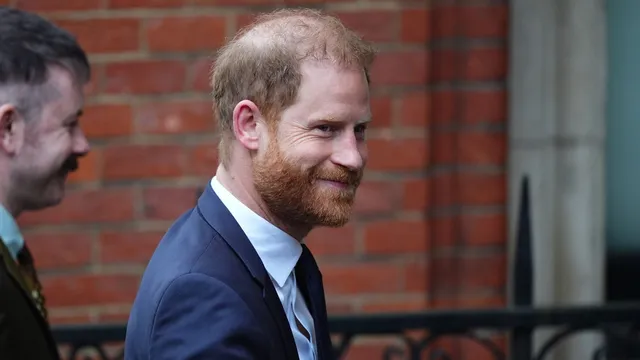
Prince Harry and others sue Daily Mail over illegal information gathering
- Prince Harry and several high-profile claimants are pursuing legal action against Associated Newspapers for alleged unlawful information gathering.
- Details of the allegations involve hacking and deception for personal information over decades.
- This case highlights the ongoing struggle between celebrity privacy rights and media practices in the UK.
Story
Prince Harry and six other high-profile individuals launched a lawsuit against Associated Newspapers Limited (ANL) in January 2023 at the Royal Courts of Justice in London, alleging extensive violations of their privacy over a span of more than two decades. The claimants, which include Sir Elton John, Liz Hurley, and others, assert that ANL engaged in unlawful information gathering practices, such as phone tapping and deception, to gain private information about them. The suit centers around 14 specific articles published between 2001 and 2013 that reportedly contained unlawfully obtained details about the claimants' lives, including intimate relationships and personal struggles. The claim is significant, as it not only underscores the ongoing battle between celebrities and the media but also highlights the broader concerns regarding privacy and journalistic integrity in the UK. ANL has firmly denied all allegations, insisting that their reporting was based on legitimate sources and that the relationships of the claimants made them prone to leaks without the need for unlawful gathering. As this case continues, expectations are high surrounding the outcomes, particularly concerning the long-standing tensions between the British royals and the press, which are intensified by the personal stakes involved for the individuals suing ANL.
Context
The legal case involving Prince Harry has emerged as a critical focal point in discussions regarding press freedom, raising pertinent questions about the balance between individual rights and the public's right to know. Prince Harry, along with several other prominent figures, has pursued legal action against various media organizations, alleging unlawful practices such as phone tapping and other breaches of privacy. These revelations have sparked widespread debate among legal experts, journalists, and the public concerning the ethical obligations of the press, the responsibilities of media outlets to report on matters of public interest, and the potential implications for the future of investigative journalism. As the case unfolds, it has highlighted the capacity of high-profile individuals to challenge purported abuses by the media, potentially setting a precedent for others. Critics of the media's conduct argue that practices such as intrusive reporting not only infringe on personal privacy but also threaten the very foundation of democratic principles that underpin a free press. Proponents of press freedom, conversely, caution against restricting journalistic practices, arguing that such restrictions may impede the media's ability to scrutinize government and powerful figures, which is essential for a well-functioning democracy. The potential outcomes of Prince Harry's legal case hold significant implications for the media landscape, particularly in the context of emerging technologies and changing consumption patterns of news. The case serves as a test of existing legal frameworks that govern privacy and press freedoms in the United Kingdom. A ruling in favor of Prince Harry and his co-claimants could embolden other individuals to pursue similar actions against media organizations, dramatically altering the relationship between celebrities, public figures, and the press. Conversely, a ruling in favor of the media could reinforce existing practices, allowing for greater latitude in how journalists operate, while also raising further concerns about ethical boundaries. In summary, the impact of Prince Harry's legal case on press freedom is profound and multifaceted. The ongoing legal proceedings not only reflect the tension between the rights of individuals to privacy and the media's role in societal oversight but also challenge the very constructs of journalism in the modern age. As the case develops, its outcomes will undoubtedly resonate far beyond the immediate parties involved, potentially reshaping the landscape of press freedom for future generations.
