
military conflicts
tragic
controversial

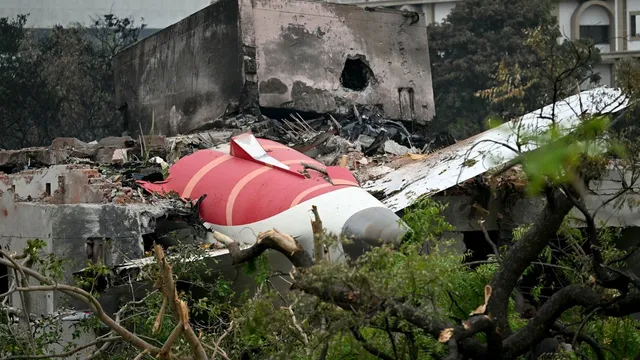
Families demand answers as investigation suggests pilot error in Air India crash

Feb 20, 2026, 5:40 AM10
(Update: Feb 20, 2026, 5:40 AM)
presence of dangerous substances in the atmosphere
country in South Asia

Families demand answers as investigation suggests pilot error in Air India crash

  • Ongoing investigation into the Air India crash focuses on pilot actions rather than mechanical faults.
  • Families of victims are pursuing legal action against Air India and Boeing due to alleged defects.
  • Victims' families demand transparency and accountability from investigators as they seek justice for their loved ones.
Share your opinion
1

Story

In India, the investigation into a fatal Air India crash is ongoing, with a focus on the actions of the pilots involved. Despite extensive scrutiny of the aircraft's mechanical integrity, authorities have indicated a preference for human error or deliberate actions by the pilots as the likely cause of the accident. This conclusion emerges amidst mounting lawsuits against both Air India and Boeing, initiated by the families of the crash victims, who allege the aircraft was defective from its introduction into service in India. Questions surrounding the legitimacy of the ongoing investigation have been raised, with families expressing frustration over the lack of clear answers and accountability. The complexity of the situation is compounded by the involvement of various stakeholders, including the Federation of Indian Pilots, which has called for transparency from investigative bodies. The Aircraft Accident Investigation Bureau (AAIB) has faced criticism for its handling of the probe, particularly concerning the summoning of the deceased pilot's family members for inquiry, raising ethical questions about the treatment of the pilots' families in the investigation process. Both Air India and Boeing have offered condolences, but their silence on the investigation has left many families feeling unsupported and anxious about the outcome. Meanwhile, Boeing is reportedly preparing to assist the investigation led by Indian authorities, putting additional pressure on them to resolve the matter promptly. The ongoing tension between the need for a thorough investigation and the expectations of the grieving families illustrates the challenges faced by aviation regulatory bodies in managing public safety and trust in the industry. Meanwhile, the financial and emotional hardships faced by the victims' families are significant and ongoing, with many primary earners lost in the incident and no definitive answers yet provided. As investigators sift through evidence and examine cockpit data, they are still open to considering all potential causes of the crash. The families, however, demand timely and clear answers, insisting that accountability be established to ensure both justice for the victims and future safety in aviation. The balance of thorough investigation versus speed of resolution remains a sensitive topic, as families mourn their losses while grappling with the uncertainty of what caused this tragic event.

Context

Boeing, one of the largest aerospace manufacturers in the world, has faced a series of aircraft issues that have significantly impacted its reputation, operations, and regulatory environment. The company's challenges began to attract widespread media attention with the introduction of the 737 MAX aircraft, which was involved in two tragic accidents resulting in the loss of 346 lives. These incidents, occurring in October 2018 and March 2019, raised serious concerns about the design and safety procedures associated with the aircraft's Maneuvering Characteristics Augmentation System (MCAS). As a result, the Boeing 737 MAX was grounded worldwide for an extended period, leading to a deep financial crisis for the company, affecting suppliers, and creating a ripple effect across the aviation industry. The Federal Aviation Administration (FAA) and other global regulatory bodies intensified scrutiny over Boeing's safety practices and certification processes, leading to changes in oversight and regulatory standards for aircraft manufacturing. The fallout from the 737 MAX incidents prompted Boeing to conduct a comprehensive review of its engineering and production practices. This internal evaluation revealed systemic issues concerning its corporate culture and management practices, particularly the prioritization of production speed over safety and quality. In response, Boeing has committed to improving transparency and accountability within its operations. The company has also invested in software updates and training programs designed to enhance pilot awareness and operational safety. This process aims not only to ensure the safe return of the 737 MAX to service but also to restore stakeholder trust in Boeing’s commitment to safety. Furthermore, the company's leadership underwent changes to align the strategic direction with greater safety and quality assurance efforts, signaling a shift in corporate priorities moving forward. Apart from the 737 MAX, Boeing has also faced several other aircraft issues over the years, including problems related to the 787 Dreamliner and the KC-46 tanker program. The Dreamliner faced manufacturing delays and quality control issues that led to scrutiny over its advanced composite materials and battery systems. These challenges resulted in multiple production pauses and inspections, which delayed deliveries and affected customer relations. Similarly, the KC-46 tanker program encountered issues with its refueling system and software glitches, leading to contractual disputes with the U.S. Air Force and potential penalties for Boeing due to these setbacks. Such problems emphasize that the issues confronting Boeing are multifaceted and extend beyond a single aircraft model, requiring robust solutions and a reconsidered approach to project management across the board. In conclusion, the history of Boeing’s aircraft issues showcases the complexities and risks inherent in the aerospace sector. As Boeing navigates the aftermath of the 737 MAX tragedies, the need for a culture of safety, accountability, and innovation remains paramount. The company's proactive measures to address these concerns can serve as a model for improving aviation safety standards globally. However, restoring public confidence and maintaining market leadership will demand continued vigilance and commitment to excellence from Boeing’s leadership and workforce. The ongoing developments will be closely monitored not only by the aviation community but also by regulatory authorities, investors, and the general public interested in the future of aviation safety.

2026 All rights reserved
