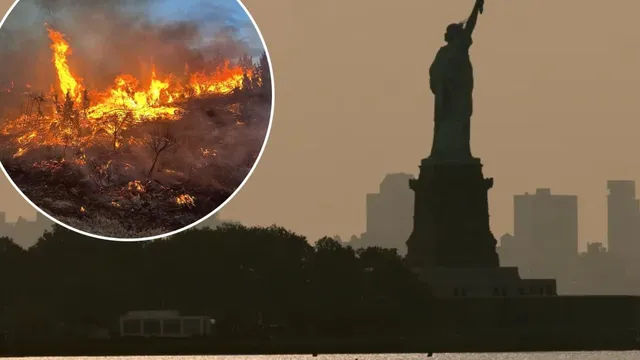
In 2023, Canada faced a severe wildfire season, with fires raging across northern Minnesota and the western United States, leading to significant smoke pollution affecting American cities. The smoke from Canadian wildfires has become a recurring issue, with this being the third occurrence in four years. Ontario Premier Doug Ford publicly urged the U.S. president to stop complaining and offer assistance, highlighting the strained relationship between the two nations regarding wildfire management.
The Canadian Senate reported that the country's capacity to prevent wildfires has been diminishing for decades, resulting in forests becoming increasingly vulnerable to fires. Despite having 10% of the world's forests, Canada only treated about 17,000 acres with prescribed burning in 2023, an area comparable to Manhattan. This limited action is attributed to stringent regulations that have effectively reduced the implementation of necessary forest management practices.
The report also indicated that no single authority is responsible for national wildfire preparedness and response, complicating efforts to coordinate firefighting between Canada and the United States. Lightning strikes are responsible for over 80% of the area burned in Canadian wildfires, further complicating the situation. While both countries cannot prevent every wildfire, they have tools available, such as prescribed fire and thinning, which could significantly reduce the risk of large-scale disasters.
The bipartisan Fix Our Forests Act aims to expedite fuel-reduction work in high-risk areas, but the lack of action from Canadian policymakers remains a significant concern. As wildfires continue to threaten air quality and public health, the need for effective forest management practices becomes increasingly urgent to prevent future smoke-choked skies.