

military conflicts
controversial
impactful
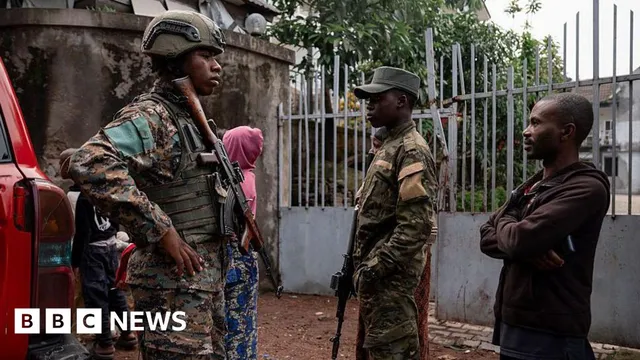
US sanctions Rwanda for backing M23 rebels amid DR Congo tensions
Mar 19, 2026, 9:42 AM10
(Update: Mar 19, 2026, 9:42 AM)
military conflicts
controversial
impactful
US sanctions Rwanda for backing M23 rebels amid DR Congo tensions
- DR Congo and Rwanda faced ongoing conflict, particularly involving the M23 rebel group.
- US-hosted talks resulted in an agreement for both nations to take steps towards easing tensions.
- The outcome of these negotiations is critical for future stability in the region.
Insights
News 1 1
Related reports
Opinions
Story
“
impact strategic analysis data market geopolitical global data strategic economic impact shift geopolitical trends market shift geopolitical economic insight geopolitical global global market economic market geopolitical economic insight policy impact geopolitical global insight trends economic shift trends geopolitical economic insight policy trends shift geopolitical global trends data policy market impact analysis geopolitical trends insight shift impact analysis analysis market global market policy data data trends economic strategic data data analysis shift strategic geopolitical insight analysis analysis policy data analysis global...
2026 All rights reserved



2026 All rights reserved