
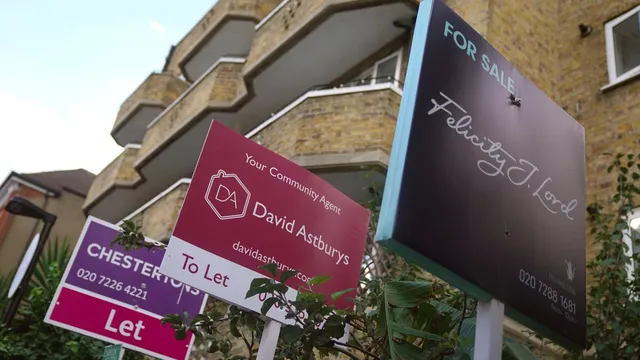
Average house prices dip after record January surge
- The average asking price for a home in Britain fell slightly in February 2026.
- January 2026 saw a record increase in house prices, marking the largest rise for that month in 25 years.
- Despite February's dip, 2026 shows strong growth in the housing market due to increased buyer confidence and rising wages.
Story
In February 2026, the average house price in Britain experienced a slight decrease of £12, following a substantial increase of nearly £10,000 the previous month. This January rise represented the largest increase recorded for that month in 25 years of Rightmove's house price analysis, with prices climbing by £9,893. Despite the dip in February, the robust performance at the start of the year showcased a 2.8% increase in asking prices since December 2025, indicating a strong recovery in the housing market after a period of uncertainty surrounding the autumn budget. Colleen Babcock, a property expert at Rightmove, advised that February's figures should be viewed in context of the significant January increase. The improvement in market activity post-Christmas, particularly from Boxing Day onwards, drew many sellers back into the market after a period of hesitation related to the budget. Sellers were, however, more cautious in February, choosing to maintain January's gains instead of pushing prices higher amidst low buying activity compared to the previous year. The current market scenario indicates that there are many homes available for sale, yet the demand for buying is not as vigorous as it was in early 2025, when urgency was driven by prospective buyers wishing to complete purchases before an expected stamp duty increase. Buyers are waiting for the right moment and right property, demonstrating a more cautious approach in the current economic climate. Looking ahead, 2026 is anticipated to be more favorable for buyers, as average wages have risen by approximately 17% over the past three years, starkly outpacing the mere 1.5% increase in property prices during the same timeframe. The Financial Conduct Authority's recent reviews regarding stress testing and loan-to-income ratios are set to help buyers secure more favorable borrowing conditions. Furthermore, declining mortgage rates and increasing competition among lenders are likely to improve overall housing affordability for potential buyers. As a result, despite present market challenges, the long-term outlook for the real estate landscape appears positive.
