
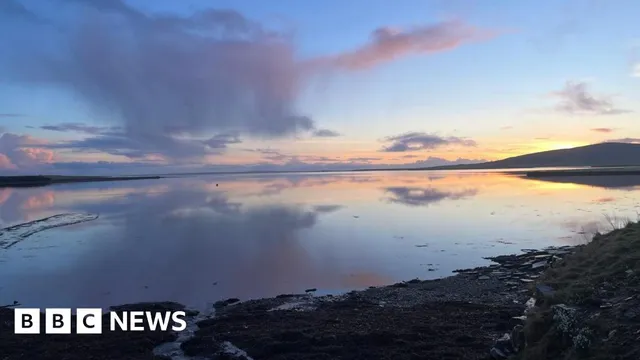
Massive oyster restoration project set to revive marine life in Orkney
- North Bay Innovations plans to release over 15 million juvenile oysters in the Bay of Firth, Orkney.
- This project seeks to restore populations that were common before overfishing depleted their numbers.
- The long-term goal includes community management and serves as a model for similar restoration efforts.
Story
In the United Kingdom, a significant marine restoration project is underway aimed at reintroducing juvenile oysters to the Bay of Firth in Orkney. North Bay Innovations (NBI) has announced plans to release over 15 million juvenile oysters, a move designed to restore populations that thrived in the area before overfishing drove them nearly to extinction. This initiative is seen as one of the largest marine restoration projects in UK waters to date and has garnered support from various organizations, including the Green Britain Foundation and the Nature Restoration Fund. The oysters will be raised in a specialized hatchery module, currently situated in a mobile container, with brood stock sourced from other locations in Scotland and verified to be disease-free. Currently, these brood stock oysters are being quarantined in Orkney. NBI aims to ensure that the oysters released can survive the initial year, with hopes that by selecting slightly larger oysters for release, they will better withstand predation. Dennis Gowland, a representative from NBI, acknowledged that while they cannot predict survival rates, the objective is to maximize the numbers released onto the seabed. The overarching aim is not only to stabilize oyster populations but also to revive the local marine ecosystem. The presence of oysters is crucial, as they can filter up to 200 liters of water daily, thereby improving water quality and promoting biodiversity among invertebrates, fish, and bird populations. Furthermore, oysters contribute to carbon sequestration, albeit at a slower rate compared to large-scale carbon capture programs. The cumulative effect of reintroducing numerous oyster beds across the country could potentially lead to substantial reductions in carbon dioxide levels over time. Ultimately, the project aspires to be community-managed once oysters are established. This endeavor aligns with other marine restoration initiatives across the UK, as efforts intensify to combat the ecological impact caused by overfishing and habitat loss. By restoring oyster populations, not only is there potential for local ecological improvement, but the project could also establish a model for similar restoration efforts in other regions facing marine biodiversity challenges.
