
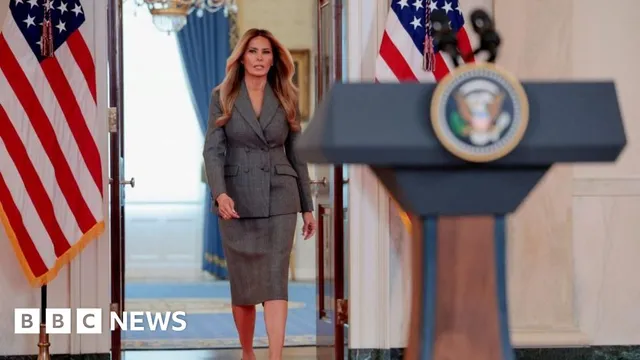
Melania Trump denies ties to Epstein and demands justice for victims
- Melania Trump delivered a statement from the White House denying any ties to Jeffrey Epstein.
- She called for congressional hearings to allow survivors of Epstein's crimes to testify.
- Her announcement sparked renewed public debate about the handling of Epstein’s investigations.
Story
On April 9, 2026, Melania Trump delivered a surprising statement from the White House, asserting that rumors linking her to Jeffrey Epstein were false and defamatory. She emphasized that she had no relationship with Epstein or his associate, Ghislaine Maxwell, and called for public hearings to allow survivors of Epstein's crimes to share their stories. This statement came amid escalating scrutiny of Epstein’s dealings and the Trump administration’s previous distancing from the issue. Melania’s announcement marked a pivot in communication from her office, presenting a proactive stance against ongoing speculation about her connections to Epstein following the release of various investigative files. In her remarks, she expressed her frustration over the continuous misinformation and claimed that several individuals and media outlets had been legally required to apologize for spreading lies about her. Melania stated, “The lies linking me with the disgraceful Jeffrey Epstein need to end today,” and reiterated her position of never being a participant in any illicit activities associated with Epstein. The context surrounding her remarks was influenced by increasing public interest in the Epstein case following his past arrest for sex trafficking minors and subsequent death in custody. While the Trump administration had previously not shown a significant connection to the Epstein allegations, calls for transparency regarding the investigation had put pressure on political figures to address the situation. Melania's unexpected statement was thought by some to be an attempt to counter growing narratives that sought to implicate her in Epstein's crimes or to suggest improper conduct surrounding her marriage to Donald Trump. By acknowledging the issue publicly, Melania Trump aimed to reposition herself in the narrative, aligning with calls for justice for victims while also emphasizing her own innocence. Political reactions were mixed, with some actors in Congress voicing support for her call for public hearings, thus elevating the topic back into political discourse. Moving forward, Melania’s statement may lead to further discussions about the responsibilities of public figures amid allegations of misconduct and the imperative for victims to have a platform to share their experiences. The implications of her remarks could have a significant impact on the public’s perception of her and the Trump administration as they continue to navigate the fallout from Epstein’s case.
Context
The Epstein case had significant implications for the political landscape during the Trump administration, as it intertwines with issues of power, privilege, and systemic corruption. Jeffrey Epstein, a financier with ties to prominent figures, was arrested in July 2019 on charges of sex trafficking of minors, which reignited scrutiny of his connections to various elites, including politicians, businessmen, and celebrities. As details about Epstein's network began to surface, the focus inevitably turned to former President Donald Trump, who had previously socialized with Epstein in the 1990s. The case highlighted the pervasive influence of high-profile individuals engaging in questionable behavior and raised questions regarding the accountability of those in power, including how the political elite might protect one another from scrutiny due to shared social circles. The fallout from the Epstein case influenced public perception of the Trump administration, particularly among those discerning potential links between the case and Trump’s political allies. As investigations revealed Epstein's connections to various political figures, it grew increasingly imperative for the administration to distance itself from the scandal. Trump's administration faced mounting pressure to address issues of sexual misconduct, particularly as the #MeToo movement gained traction during his presidency. The optics of the situation prompted some officials to publicly condemn Epstein's actions while simultaneously grappling with their own affiliations with individuals implicated in the scandal. Moreover, the Epstein case revealed ongoing concerns regarding the judicial system and its ability to hold powerful individuals accountable. Some critics of the Trump administration highlighted issues within the Justice Department and how it managed high-profile cases, especially in cases involving sex trafficking and exploitation. The reports of Epstein’s lenient plea deal in 2008 raised alarms about the justice system's efficacy when it comes to facing elite offenders. This matter became an increasingly contentious issue during Trump's presidency, engulfing discussions related to judicial reform and law enforcement priorities. As the investigations progressed, the Epstein case transcended its immediate implications, transforming into a broader discussion about the systemic inequalities present within society, particularly regarding sexual violence and the exploitation of vulnerable populations. While the Trump administration attempted to navigate these complex waters, the case remained a stark reminder of the precarious intersection of power and morality. The ongoing relevance of Epstein's network and its connections to the highest echelons of society ensured that the impact of the case would be felt long after the administration ended, shaping narratives around accountability and ethical governance in American politics.
