

Operation Metro Surge costs Minneapolis over $200 million in damages
Operation Metro Surge costs Minneapolis over $200 million in damages
- Operation Metro Surge resulted in total losses exceeding $203 million for Minneapolis, impacting various sectors.
- The operation led to significant revenue losses for small businesses and raised urgent needs for financial assistance among residents.
- Officials warn of long-lasting effects on community welfare and emphasize the importance of recovery efforts.
Story
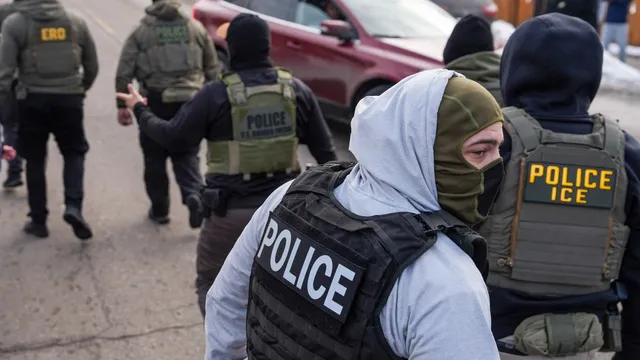
In January 2023, Minneapolis, Minnesota, experienced significant financial and social consequences due to a federal immigration enforcement operation named Operation Metro Surge conducted under the Trump administration. City officials released a detailed assessment outlining the operation's impacts, which added up to at least $203 million in total losses. This figure includes an estimated $47 million in lost wages for residents who refrained from working out of fear and approximately $81 million in lost revenue for local restaurants and small businesses. Additionally, the operation necessitated $15.7 million in rent assistance to support displaced families, as well as ongoing food assistance costs averaging $2.4 million per week for about 76,200 individuals requiring aid. The situation exacerbated preexisting fiscal challenges for the city as the police department faced extensive operational costs, leading to police overtime exceeding its full-year budget in just five days. As Minneapolis grapples with these fiscal burdens, Mayor Jacob Frey and Minnesota Governor Tim Walz sought state and federal assistance to help alleviate the financial strain. Frey specifically highlighted that the damage caused by the operation would have long-lasting effects on the city, emphasizing the need for a comprehensive recovery plan. The city council approved funding for rent assistance aimed at approximately 250 families and allocated $500,000 for immigration legal services. Additionally, Frey proposed $5 million in support for struggling small businesses, while the Minneapolis Foundation set up a $4 million Economic Response Fund to distribute grants to impacted businesses statewide. While Operation Metro Surge has concluded, its aftermath will continue to impact the Minneapolis community for the foreseeable future. Residents, particularly those from immigrant and marginalized backgrounds, have expressed anxiety regarding their safety and stability as the operation's enforcement brings about psychological and social stress. Community leaders and residents are calling for remedial actions and advocating for policy changes to prevent similar operations from occurring in the future. The local government and various organizations are now mobilizing efforts to address the immediate needs of affected populations and restore confidence within the city. The narrative surrounding Operation Metro Surge reflects broader national discussions about immigration policy and law enforcement's involvement in local communities. Critics argue that such federal operations disproportionately harm vulnerable populations and disrupt community cohesion. Advocates for immigrant rights point out the necessity for comprehensive and just immigration reform and stress the importance of protecting local communities from aggressive federal enforcement actions that create fear and instability. In light of the operation's significant costs and ramifications, Minneapolis officials have expressed an obligation to support their communities and ensure equitable recovery, emphasizing their commitment to being a Welcoming City for all residents. Nevertheless, the city faces a long road ahead and will need persistent advocacy and resource allocation to mitigate the ongoing effects of Operation Metro Surge effectively.


