

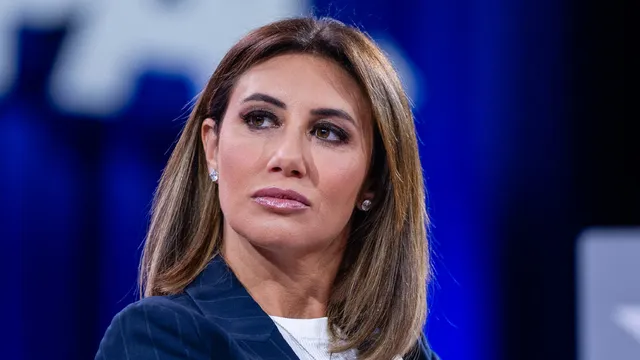
Suspect arrested after attack on Alina Habba's office in New Jersey
Suspect arrested after attack on Alina Habba's office in New Jersey
- A man confronted Alina Habba at her Newark office, causing property damage before fleeing.
- The FBI and law enforcement are investigating and have arrested a suspect linked to the incident.
- This event reflects a growing trend of violence against federal officials in the United States.
Story
In New Jersey, an unsettling incident occurred when a disgruntled individual visited the office of Alina Habba, the acting U.S. Attorney, on the evening of Wednesday, November 12, 2025. This man, who first attempted to enter with a baseball bat, was initially denied access by security but later returned without the bat and gained entry. Once inside, he wreaked havoc, destroying property before fleeing the scene. Fortunately, Alina Habba was unharmed during this confrontation, sparking widespread condemnation from law enforcement officials. The attack has drawn significant attention from federal authorities, including U.S. Attorney General Pam Bondi, who condemned the incident as part of a troubling trend of violence against federal officers. Bondi stated that any threats made against public officials would not be tolerated, emphasizing the importance of protecting individuals in the law enforcement community. Habba herself expressed defiance, stating that she would not be intimidated by such actions. In response to the assault, investigations ramped up quickly, with the FBI and other federal law enforcement agencies seeking to identify and locate the suspect based on security footage from the building. On social media, both Bondi and Habba assured the public that the responsible individual would face justice, highlighting the seriousness of the threat posed by such acts of violence. Eventually, law enforcement operations proved successful, leading to the arrest of the suspect associated with the disruptive behavior at Habba's office. This decisive action should serve as a warning to those contemplating similar assaults on public officials, reinforcing that attacks will not be tolerated. The incident raises concerns about the ongoing climate of political violence in the United States, where threats and confrontations against public figures, whether from the left or right, have been escalating in frequency.
Context
Political violence in the United States has seen significant fluctuations over recent decades, influenced by a multitude of social, political, and economic factors. In recent years, this violence has often manifested through various forms, including but not limited to protests, riots, and armed confrontations. These incidents have varied in motivation, originating from both extreme ideological beliefs and grievances against governmental policies. The rise of domestic extremism has particularly drawn attention, as groups with radical views have increasingly turned to violence as a means of achieving their objectives. Data collected up until 2023 highlights that while some forms of political violence have declined, the threats from ideologically-motivated actors remain significant, particularly from anti-government and white supremacist groups. The role of technology and social media cannot be overlooked in the examination of political violence trends. Platforms that facilitate the rapid spread of information have also allowed for the quicker mobilization of groups, sometimes leading to violent outbreaks during demonstrations. The digital environment has enabled more individuals to connect with extremist ideologies and organizations, making it easier for them to organize and execute violent acts. The data shows that the polarization of political discourse has contributed to a climate of hostility, where opposing factions often view each other as threats, further escalating tensions and potential violence. In analyzing the demographic aspects of political violence, it is evident that many perpetrators are often young, and they span across various racial and socioeconomic backgrounds, reflecting the diverse motivations that drive individuals toward violence. The issue of mental health also complicates the landscape, as individuals with untreated mental health issues can sometimes resort to violence when influenced by extremist ideologies. Moreover, certain events—such as elections or significant judicial rulings—tend to serve as catalysts for heightened tensions, leading to increased occurrences of politically motivated violence. These patterns suggest that a multifaceted approach is necessary to address the root causes and triggers of such violence. To combat this growing phenomenon, it is crucial for policymakers, law enforcement agencies, and community leaders to engage in proactive measures that foster dialogue, education, and conflict resolution. Enhancing community outreach programs aimed at building resilience against extremist narratives is imperative. Furthermore, incorporating preventative strategy measures such as monitoring online platforms for inciting violence and implementing legal frameworks that address hate crimes will be essential in reducing the frequency and severity of political violence in the future. Ultimately, addressing these trends requires a comprehensive understanding of the underlying social dynamics that fuel political violence, as well as a commitment to mitigating the factors that contribute to societal divides.


