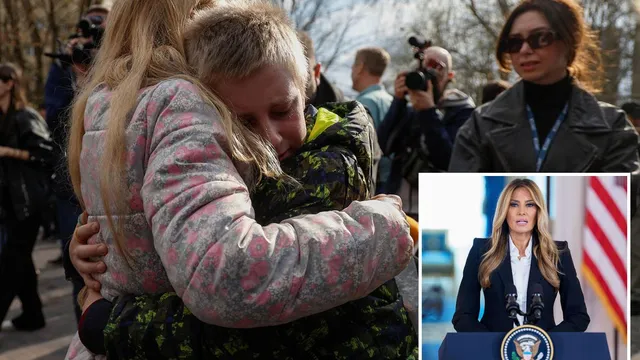
The ongoing conflict in Ukraine has had a profound and devastating impact on children, affecting their physical, emotional, and psychological well-being. Since the onset of the war, millions of children have been exposed to violence, displacement, and trauma. Many have witnessed horrific events, including bombings and the loss of family members, which can lead to long-term psychological issues such as post-traumatic stress disorder (PTSD), anxiety, and depression. The disruption of daily life, including the closure of schools and the loss of safe spaces, has further exacerbated these challenges, leaving children in a state of uncertainty and fear.
Displacement is one of the most significant consequences of the war, with millions of children forced to flee their homes. This displacement not only separates them from their families and communities but also disrupts their education and access to essential services. Many children are living in temporary shelters or with host families, facing overcrowded conditions and limited resources. The lack of stability and security can hinder their development and lead to feelings of isolation and hopelessness. Furthermore, the educational system has been severely impacted, with many schools damaged or destroyed, and teachers displaced, resulting in a generation of children at risk of falling behind academically.
The war has also led to an increase in child exploitation and abuse. Vulnerable children, particularly those who are unaccompanied or separated from their families, are at a higher risk of trafficking, forced labor, and recruitment into armed groups. Humanitarian organizations have reported alarming rates of sexual violence against children in conflict zones, highlighting the urgent need for protective measures and support services. The psychological toll of such experiences can be devastating, leading to long-lasting effects on their mental health and overall well-being.
In response to the crisis, various international and local organizations have mobilized to provide support to affected children and their families. Efforts include the provision of psychological support, educational resources, and safe spaces for children to heal and recover. However, the scale of the need far exceeds the available resources, and continued advocacy and funding are essential to address the ongoing crisis. The impact of war on Ukrainian children is a pressing humanitarian issue that requires immediate attention and action to ensure their rights and well-being are protected.