

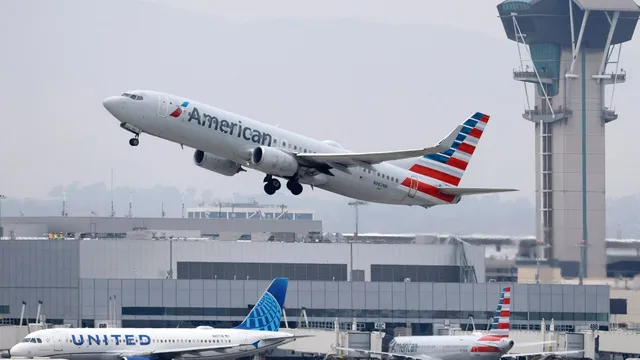
Travelers face delays as air operations slowly resume after shutdown
Travelers face delays as air operations slowly resume after shutdown
- The end of the longest federal government shutdown in U.S. history has provided relief to travelers and airlines after weeks of cancellations and delays due to staffing shortages.
- Airlines expect to gradually return to normal operations as federal employees resume their positions, although travelers might still experience delays in the short term.
- As preparations continue for the upcoming holiday season, airlines request passengers to monitor communications for updates and to confirm flight plans.
Story
The end of the federal government shutdown in the United States, which lasted over six weeks, has lifted significant pressure on airlines, airports, and travelers. The shutdown led to reduced flight operations, impacting 40 of the nation's busiest airports, as airlines had to cancel many flights to alleviate the burden on overworked air traffic controllers. As of November 10, Delta Airlines had canceled nearly 500 of its scheduled flights, reflecting the widespread disruptions experienced by major airlines like American Airlines and Southwest Airlines. These interruptions came as airline employees worked tirelessly to manage travel demands in an already strained system. Although the shutdown concluded, achieving normal flight schedules is anticipated to be a gradual process. The Federal Aviation Administration (FAA) announced that it would maintain a 6% reduction in flights rather than increase the cutbacks as previously planned. As airlines slowly work towards restoring their operations to pre-shutdown status, considerable delays and limitations are expected in the immediate future. This has caused travel disruptions for hundreds of thousands of passengers, urging affected travelers to stay informed through their airline communications. The federal government’s reopening is set to facilitate the return of essential employees, thereby enabling airlines to potentially restore flight schedules as air traffic controllers return to full capacity. Delta Airlines has expressed its commitment to progressively ramping up its operations, aiming to reach full capacity in the coming days. With the Thanksgiving holiday approaching, both Delta and American Airlines have pledged to prioritize customer service and are offering flexible travel options for passengers who were impacted during the shutdown. Travelers are advised to allow extra time for potential disruptions while monitoring flight statuses closely while the system works towards stabilization. As air travel resumes, officials are optimistic that any remaining impacts from the shutdown will not extend into the busy holiday period, as airlines are taking proactive measures to prevent cancellations during Thanksgiving week. Time is on the side of travelers, but caution remains prudent as the aviation system adjusts back to regular operations.
Context
The effects of a federal government shutdown on airlines can be significant and multifaceted, influencing both operational efficiency and financial stability within the aviation sector. During a shutdown, federal employees responsible for oversight and regulation, such as air traffic controllers and safety inspectors, may be furloughed, leading to a decrease in the number of personnel available to manage flight operations. This can result in longer wait times at airports, delays in flight schedules, and ultimately a rise in operational costs for airlines. Additionally, safety inspections may be postponed, raising concerns about the overall safety and reliability of air travel during such periods. The financial impact on airlines can also be profound, stemming primarily from reduced passenger traffic due to traveler uncertainty associated with government instability. Potential travelers may postpone their trips or seek alternative modes of transportation, leading to reduced revenue for airlines already operating on thin profit margins. Moreover, fixed costs such as fuel and staffing remain unchanged during a drop in demand, compounding the financial strain on carriers. Airlines may have to implement measures such as route cuts, layoffs, or reduced flight frequencies to adjust to the decreased demand, which can affect customer satisfaction and loyalty in the long term. Federal subsidies and financial aid programs for airlines may also be disrupted during a government shutdown, potentially hindering the industry's recovery during economic downturns. In previous instances of government shutdowns, airlines have faced challenges in accessing critical funds and resources necessary for maintaining operational continuity. Regulatory uncertainty may arise as airlines navigate evolving policy landscapes and seek clarity on compliance requirements, which can further complicate their operational planning and financial forecasting. The turbulence of a shutdown can ripple through the supply chain, affecting maintenance providers and airport services, thus amplifying the negative impacts on overall airline performance. In conclusion, the ramifications of a federal government shutdown on airlines encompass operational difficulties, financial strain, and regulatory uncertainties. As airlines strive to maintain safety and efficiency, they face the dual challenge of navigating government intervention whilst managing their business interests. Periods of government shutdown not only test the resilience of airlines but also underscore the interdependence between federal operations and the aviation industry as a whole. Ensuring effective communication and contingency planning can mitigate some of these adverse effects, allowing airlines to navigate the complexities associated with government shutdowns.


