

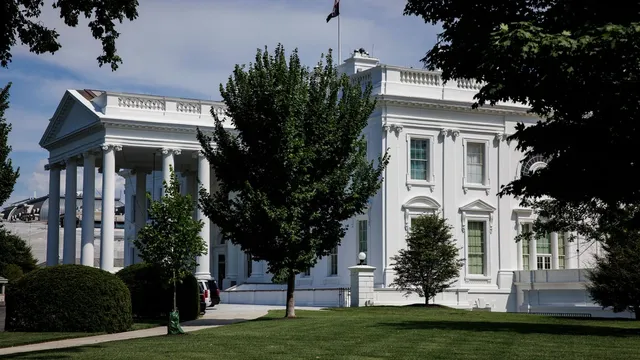
Trump considers replacing White House columns with ornate designs
Trump considers replacing White House columns with ornate designs
- Rodney Mims Cook Jr. is considering replacing the Ionic columns of the White House with Corinthian columns to match other government buildings.
- Trump's renovations, including the proposed ballroom, have attracted both support and criticism, with concerns about historical preservation.
- These proposed changes highlight Trump's desire to modernize the White House while eliciting debate over the balance between political personalization and historical significance.
Story
In recent months, discussions about altering the White House's iconic columns have emerged, driven by President Donald Trump's interest in renovating the historical residence. A report from the Washington Post indicates that Rodney Mims Cook Jr., the Trump-appointed head of the Commission of Fine Arts, proposes replacing the existing Ionic columns with a more ornate Corinthian style, which is aligned with the design aesthetics found in other federal buildings such as the U.S. Supreme Court and the Capitol. This proposal has been controversial and reflects Trump's broader ambition to put his personal stamp on the White House. Critics have voiced concerns about the appropriateness of such changes, fearing they might compromise the historic integrity of the landmark. Experts in architecture have raised the alarm over the implications of modifying a significant national symbol, suggesting that it conflicts with preservation standards typically upheld in the realm of historical architecture. Trump's renovation project, which includes demolition of the East Wing to create a larger ballroom, is part of a broader series of changes that critics and supporters alike recognize as unique to his presidency. In addition to the potential new columns, plans for the ballroom and other updates have included incorporating gold design elements that echo Trump’s own properties. While supporters claim modernization is necessary, opponents assert that these changes distract from the historical mission of the White House and may further divide political sentiments around the building's symbolism. Construction plans for the ballroom are currently facing legal challenges, signaling ongoing tensions surrounding the alterations. The White House has publicly emphasized that funding for these renovations comes from private donations, avoiding reliance on taxpayer money and reinforcing its contemporary appeal. Despite internal discussions, as of now, there are no confirmed plans to implement Cook's ideas for the columns, reflecting the complicated balance between architectural vision and historical preservation in the context of political power.
Context
The history of White House architecture changes reflects the evolving political, social, and cultural landscape of the United States since its inception. The White House, designed by James Hoban, was constructed between 1792 and 1800 and has undergone several significant transformations throughout the years. Initially designed in the neoclassical style, it featured a symmetrical façade and a portico on the south side. Over the years, various presidents and First Ladies have contributed to the evolution of its design, both in aesthetics and functionality, responding to the needs of the era while maintaining its historical integrity. One of the first major renovations occurred after the British burned the White House in 1814 during the War of 1812. The restoration, which took place over several years, reestablished Hoban's original design while also modifying certain aspects. The most recognizable change came with the addition of the North Portico in 1824, which created a more grand entrance and further defined the building's classical elements. Other alterations, including the installation of the iconic Truman Balcony by President Harry S. Truman in the mid-20th century, have also contributed to the building's current appearance, allowing for more use of outdoor space and enhancing the overall aesthetic. In addition to aesthetic changes, modernization efforts have played a crucial role in transforming the White House. As technology advanced, so did the requirements for the infrastructure within the building. Major renovations in the 1950s included upgrading heating, electrical, and plumbing systems to meet contemporary standards. Furthermore, extensive restoration projects have occurred to preserve the White House’s integrity while integrating modern amenities. These projects have emphasized sustainable practices. For instance, initiatives have been put in place to improve energy efficiency, which aligns with contemporary environmental concerns and reflects a broader shift toward sustainability in public architecture. The architecture of the White House is a testament to the nation's history and its evolving identity. From its initial construction through various renovations and modernization efforts, every change has played a role in reflecting the values and priorities of American society. Not only is it the residence of the President, but it also functions as a symbol of democracy and national heritage. The fusion of historical design with contemporary needs makes the White House a unique example of how architecture can adapt over time while honoring its past.


