

Drones drive casualty rates to almost 80 percent in Ukraine conflict
Drones drive casualty rates to almost 80 percent in Ukraine conflict
- Since February 2022, precision drones have transformed military tactics in Ukraine's conflict.
- Drone casualties rose dramatically, reaching up to 80 percent by 2023.
- The ongoing evolution of warfare in Ukraine suggests a blend of traditional and advanced military strategies.
Story
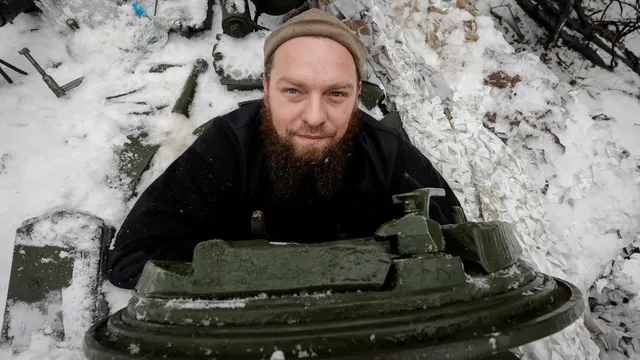
In Ukraine's ongoing conflict, precision drones have significantly changed combat strategies and outcomes. Since Russia's invasion in February 2022, the use of small, effective drones has escalated. These drones, often costing just a few hundred dollars each, patrol an expansive kill zone along the 1,200-kilometer front. UAVs now play a crucial role, with drone-related casualties increasing sharply, reported at up to 80 percent in 2023, compared to less than 10 percent the previous year. Ukrainian military personnel, like Valentyn Bohdanov and Andriy Meskov, have adapted to this new battlefield dynamic, where traditional armored tactics are largely rendered ineffective due to the drone threat. Bohdanov's T-72 tank, once a symbol of powerful heavy armor, is mostly used as stationary artillery, hidden to evade drone attacks. The frontline landscape has dramatically shifted, focusing on drones that impose a constant aerial threat, making movement for ground vehicles exceedingly perilous. Medical evacuations have also been heavily impacted, with the average time for evacuating injured soldiers now exceeding three days, contrary to the critical “golden hour” for intervention. This delay poses serious risks to soldiers wounded on the battlefield. The drone's capability to follow targets into buildings further complicates evacuation efforts and increases the likelihood of casualties among military personnel. Despite the dominance of drones, there are indications that not all traditional military assets are being abandoned. Experts caution against completely dismissing tanks and other armored units, suggesting there may still be operational roles for these vehicles, notably as part of a combined arms approach that integrates various military technologies. The future of warfare in Ukraine seems poised for continued evolution, marked by the integration of advanced technologies such as artificial intelligence and other innovative systems into military strategy.
Context
The impact of drone warfare on modern military tactics has fundamentally altered the landscape of conflict over the past two decades. Drones, or unmanned aerial vehicles (UAVs), have transformed how military operations are conducted, allowing nations to engage in combat with increased precision and reduced risk to personnel. The adoption of drone technology allows for real-time intelligence, surveillance, and reconnaissance (ISR), which significantly enhances situational awareness on the battlefield. The ability to gather and analyze data from various environments has enabled military planners to make informed decisions swiftly, leading to more effective and targeted missions. Consequently, traditional forms of warfare are being replaced or supplemented by a strategy that incorporates drone operations to minimize collateral damage and civilian casualties, aligning with modern ethical standards in combat. Moreover, the use of drones has shifted the tactical emphasis from direct combat engagement to remote warfare, where operators can conduct missions from thousands of miles away. This has serious implications for military training and the psychological aspects of warfare. For example, drone warfare reduces the direct exposure of military personnel to the chaos and dangers of frontline engagements. However, this also introduces a detachment that may impact a soldier's perception of the consequences of their actions. The concept of 'over-the-horizon' capabilities allows militaries to engage adversaries with unprecedented reach, thereby allowing nations to strike first in scenarios where traditional forces cannot intervene quickly. This paradigm shift raises questions about accountability and legality in warfare, particularly regarding assassinations and strikes that may not adhere strictly to international law. Additionally, the proliferation of drone technology among various state and non-state actors has democratized the tools of warfare. This means that smaller nations and even militant groups have access to sophisticated drone capabilities, which challenges conventional military dominance. As these entities leverage drones for tactical advantages, traditional militaries must adapt their strategies to counter this evolving threat landscape. Innovations such as counter-drone technologies and enhanced air defenses are being developed to neutralize the risks posed by adversary drones. Furthermore, the rise of swarm technology, where multiple drones are used in a coordinated attack, presents new tactical challenges, necessitating a reevaluation of conventional military responses. In conclusion, the integration of drone warfare into military tactics signals a significant shift in how conflicts are conducted. The advantages of precision, reduced risk to personnel, and extended operational reach must be balanced against the ethical considerations and evolving threats posed by drone technology. As the landscape of military engagement continues to evolve, it is clear that the future of warfare will be heavily influenced by the capabilities that drones provide, necessitating ongoing adaptation and strategic innovation by military forces worldwide. The ramifications of these changes will persist as long as drone technology continues to develop and proliferate, making it imperative for military and political leaders to stay ahead of the curve in understanding their impact.


