

Families sue U.S. government over unlawful military strike deaths
Families sue U.S. government over unlawful military strike deaths
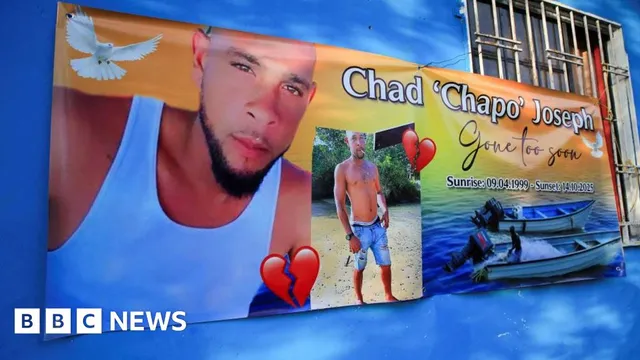
- The U.S. military conducted a missile strike in October 2025, resulting in the deaths of six people, including Chad Joseph and Rishi Samaroo.
- Families are suing the Trump administration, claiming the strike was unlawful and part of a broader military campaign without justification.
- This lawsuit challenges the legality of the strikes and seeks accountability from U.S. officials for the deaths of non-combatants.
Story
In October 2025, a U.S. military strike resulted in the deaths of six individuals from a boat traveling from Venezuela to Trinidad. Among the deceased were Chad Joseph and Rishi Samaroo, two Trinidadian men who were reportedly fishing in Venezuelan waters and returning home. The families of these men have filed a federal lawsuit against the Trump administration, claiming the strike was both unlawful and a war crime. This lawsuit is unique, as it is the first wrongful death case arising from a series of strikes on small vessels in the Caribbean by U.S. forces, which have resulted in significant casualties. The families allege that the men were not involved in narcotrafficking and were merely engaged in fishing activities at the time of the strike. They assert that the U.S. government’s actions were taken without proper legal justification and have caused immense suffering. Furthermore, the lawsuit raises questions about the legality and moral implications of the U.S. military's engagement in operations that targeted boats without apparent congressional authorization or an active state of war with drug cartels. Commentators and legal experts express concern that the military strikes represent a serious violation of laws regarding armed conflict, and the outcomes of this litigation could have lasting repercussions for U.S. military policy and accountability. As of the current date, the Defense Department has not publicly commented on the ongoing litigation, highlighting the contentious nature of the legal and ethical debates surrounding this case.
Context
Military strikes against non-combatants raise significant legal implications under international law, particularly through the framework established by the Geneva Conventions and related treaties. The principle of distinction, which mandates that parties involved in a conflict must differentiate between combatants and non-combatants, is a fundamental cornerstone of international humanitarian law. Attacking non-combatants, or civilian populations, indiscriminately violates these principles and can constitute a war crime under the Statute of the International Criminal Court. The legal distinction is crucial not only in protecting individuals who are not participating in hostilities but also in maintaining ethical standards within armed conflict, thus underscoring an obligation to minimize civilian harm when conducting military operations. Effective compliance with these legal standards necessitates rigorous assessments and adherence to the principle of proportionality, which allows military action only if the anticipated military advantage outweighs any potential harm to civilian life. This involves pre-strike planning and post-strike assessments to ensure that innocent lives are preserved. The challenge lies in the dynamic nature of modern warfare, where non-combatants may be inadvertently placed in harm’s way due to the presence of combatants blending into civilian populations, thus complicating military operations. As a result, militaries are called upon to employ advanced technologies and intelligence gathering to enhance their ability to distinguish between combatants and non-combatants effectively. States and non-state actors engaged in armed conflicts must understand that failure to adhere to these legal obligations not only exposes them to prosecution by international tribunals but can also lead to political ramifications, such as sanctions or loss of legitimacy. The impact of public opinion, as amplified by media coverage and digital platforms, plays a decisive role in shaping perceptions of military actions. Thus, transparency and accountability in operations against non-combatants can be pivotal in mitigating backlash that may arise from perceived violations of international law. Additionally, legal frameworks can evolve in response to changing tactics and technological advancements, which highlights the necessity of continuous updates to both legal interpretations and military protocols governing such strikes. In conclusion, the legal implications of military strikes against non-combatants are profound and multifaceted, demanding an unyielding commitment to international law. Adherence to the principles of distinction and proportionality not only serves to protect civilians but also reinforces the broader objectives of humanity and justice in the context of armed conflict. The practice of incorporating robust legal analysis into military decision-making processes is essential for legitimate and ethical engagement in warfare. As conflicts continue to evolve, the responsibility lies with military leaders, political authorities, and the international community to uphold these standards, ensuring that military operations align with the enduring principles of international humanitarian law.


