

Meteor crasher sends shockwaves across Ohio and ignites hunt for fragments
Meteor crasher sends shockwaves across Ohio and ignites hunt for fragments
- A loud boom was heard across northern Ohio, confirmed to be from a meteor entering the atmosphere.
- The meteor, weighing about 7 tons, produced a bright fireball and fragments are likely scattered across Ohio.
- Meteorite hunters are actively searching for remnants, igniting public interest in meteorite collection.
Story
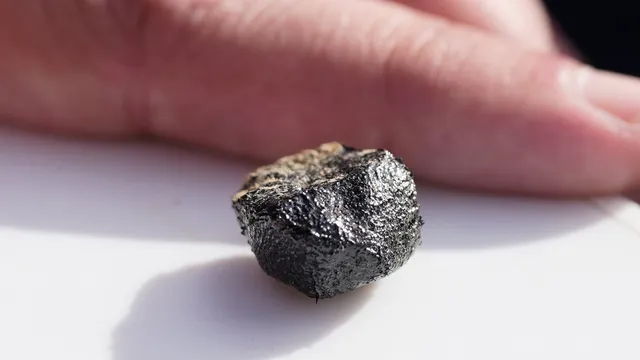
In the early morning of March 17, 2026, a significant meteor event occurred over Ohio, USA, with a loud boom reported across the northern part of the state. Eyewitnesses described a bright fireball streaking through the sky, and the National Weather Service confirmed that the sonic boom heard by thousands was the result of a meteor entering the Earth's upper atmosphere. Videos of the spectacle were captured by local meteorologists, including Jared Rackley from the National Weather Service office in Pittsburgh, and the event was observed as far away as Pennsylvania and New York. The meteor, estimated to weigh about 7 tons and measuring around 6-7 feet in diameter, generated a substantial shockwave as it passed through the atmosphere, breaking the sound barrier around 9:01 AM ET. This event ignited public interest in meteorite hunting, with numerous enthusiasts venturing into locations potentially housing fragments of the meteor. The National Weather Service provided maps indicating probable debris fields for meteorite hunters following NASA's analysis of the meteor's path and trajectory captured by satellite data. Residents who reported hearing the boom shared their astonishment and curiosity, with one resident named Jace questioning the source of the loud noise, which led to the confirmation by the NWS. As meteorite fragments are scattered across several counties, hunters are taking to the fields equipped with metal detectors, aiming to discover valuable specimens left behind after the meteor exploded. Some individuals have already reported finding apparent meteorites and have received offers from collectors. Amidst the excitement, the local authorities have advised those searching for fragments to respect private property and exercise caution. However, there remains a thrill surrounding the idea of holding a piece of outer space history, as many enthusiasts and collectors hope to stumble upon rare meteorite specimens. The meteor incident has not only generated interest among scientific communities but also among the general public eager to connect with the cosmos.
Context
Meteoric impacts have played a significant role in shaping Earth's geological history, influencing not only its surface and atmosphere but also the evolution of life. Throughout history, Earth has been subjected to impacts from various celestial bodies, including asteroids and comets, which have left profound marks on its geological record. The effects of these impacts can vary widely, depending on factors such as the size, speed, and composition of the impacting body. Large impacts can cause massive ecological disruptions, generating tsunamis, wildfires, and a general climate shift due to the debris thrown into the atmosphere, which can obstruct sunlight and lead to a dramatic decrease in temperature—a phenomenon often referred to as a 'nuclear winter.' Such events can lead to mass extinctions, altering the course of evolutionary history on Earth. A prime example of this is the Chicxulub impact event, which is widely believed to have contributed to the extinction of the dinosaurs approximately 66 million years ago, marking a major reorganization of the planet's biodiversity. The geological evidence of these impacts is recorded in the form of craters that can be identified on the Earth's surface and even in the ocean floor. Craters such as the Barringer Crater in Arizona and the Manicouagan Crater in Canada provide insights into the impact processes and the subsequent geological changes that occur. Meteoric impacts can also lead to the formation of secondary geological features like shock metamorphism, which creates unique mineral structures that can be studied to understand the impact conditions. These craters are not just remnants of catastrophic events; they offer valuable information for scientists to decipher Earth's history and the frequency and scale of impacts over geological time. Moreover, meteoric impacts have implications for ongoing planetary research and risk assessment. Understanding the frequency of such impacts allows scientists to predict potential future impacts and assess their potential consequences. Space agencies worldwide track near-Earth objects (NEOs) to evaluate collision risks with Earth and to develop strategies for potential deflection or mitigation. The study of these celestial objects has broadened not only our understanding of Earth's vulnerabilities but also offered clues about the early solar system's formation and the building blocks of life. In addition to geological and ecological consequences, meteoric impacts have contributed to the delivery of extraterrestrial materials, such as water and organic compounds, which may have played a role in the development of life on Earth. The delivery of these materials through impacts can offer new perspectives on astrobiology and the potential for life on other planets. The duality of meteoric impacts—acting as both a destructive force and an engine for evolution—highlights their complex role in the history of our planet.


