

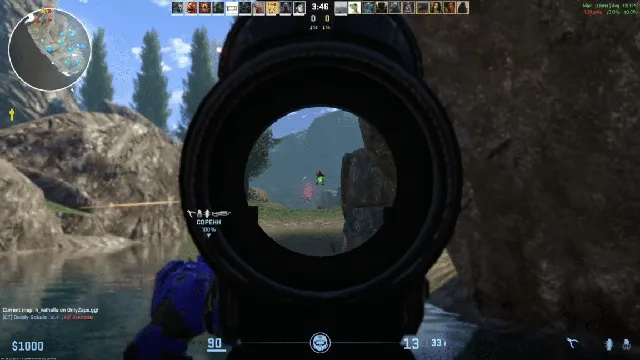
Microsoft shuts down Halo 3 mod in Counter-Strike 2
Microsoft shuts down Halo 3 mod in Counter-Strike 2
- Project Misriah aimed to recreate Halo 3 within Counter-Strike 2.
- Microsoft took action against the mod due to copyright infringement.
- The project creator vowed to use the experience to create new content.
Story
In December 2025, a mod called Project Misriah, designed to recreate the multiplayer experience of Halo 3 within Counter-Strike 2, was taken down after Microsoft filed a DMCA complaint against it. The mod was created by modder Froddoyo and was initially released on November 16, 2025. It included multiple assets from the Halo franchise, including sound effects, character models, maps, and movement mechanics, directly copied from the original game, leading to its removal from the Steam Workshop. Despite receiving praise from fans of both Halo and Counter-Strike for its ambitious approach, Project Misriah faced legal challenges due to its nature of directly copying intellectual property owned by Microsoft and Bungie. The takedown occurred after the mod garnered significant attention, prompting Microsoft to act to protect its copyrights, as it has done in the past with similar projects that lacked transformative elements. The response from Froddoyo acknowledged the situation with some ruefulness and expressed gratitude to the fans who supported the project. Notably, Microsoft has had a mixed history regarding fan-made projects. While it has allowed some transformative efforts to exist, such as Installation 01, which complies with its Game Content Usage Rules, it has been less forgiving toward projects that resemble its original games too closely. This has included prior enforcement actions taken against mods attempting to emulate gameplay mechanics and aesthetics developed by Microsoft. The dismantling of Project Misriah highlights the continuing tensions between intellectual property rights and the vibrant culture of modding within the gaming community. As modders seek to innovate and recreate popular gaming experiences, the challenge remains to navigate the complex legal landscape informed by companies eager to protect the interests of their franchises. The future of fan-created content that attempts to utilize existing intellectual property appears uncertain, especially as prominent companies like Microsoft strive to control how their games are perceived and experienced.


