

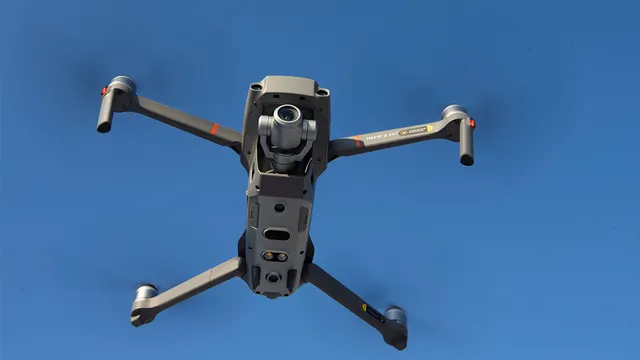
FCC bans new foreign-made drones over national security risks
FCC bans new foreign-made drones over national security risks
- The FCC added foreign-made drones to its 'Covered List' for products posing security risks.
- This ban will impact the availability of new models from popular manufacturers like DJI in the U.S. market.
- The move aims to enhance national security and encourage the growth of U.S. drone manufacturers.
Story
On December 23, 2025, the Federal Communications Commission (FCC) announced a ban on new foreign-made drones, specifically targeting those manufactured by Chinese companies like DJI and Autel due to national security vulnerabilities. This decision followed extensive reviews by U.S. officials, responding to increasing concerns about potential surveillance threats and unauthorized data access. The review highlighted significant risks posed by imported drones, particularly in light of major upcoming events in the United States, such as the 2026 World Cup and the 2028 Summer Olympics, to ensure the safety and security of Americans. The ban marks a substantial shift in U.S. policy aimed at reducing reliance on foreign technology, especially from China, which has been a major supplier of drone technology in the U.S. industry. Concerns about the implications of this ban reverberated throughout various sources, indicating that while it could foster growth for domestic drone manufacturers, hobbyists and professionals dependent on affordable, high-quality drones from Chinese manufacturers may face challenges. Many organizations and individuals utilizing drones for law enforcement, emergency services, and agricultural applications have expressed disappointment, highlighting a disruption in their operations. In contrast, American drone makers and industry associations have welcomed the ban, citing it as a necessary move to bolster domestic production and innovation in the drone sector. Amid this backdrop, DJI, which commanded a significant share of the global drone market, responded with disappointment, emphasizing that concerns regarding their data security lacked substantive evidence and reflected protectionist motivations rather than fair market competition. The company pointed out that existing products already in the U.S. market would not be affected, continuing to emphasize that previously approved models could still be utilized. The decision signals a clear intent from U.S. authorities to maintain control and security in the rapidly evolving drone industry while balancing the needs of national security against the economic considerations of supporting domestic manufacturers. As the landscape shifts in favor of U.S.-based drone companies, the future remains uncertain for foreign competitors and for existing stakeholders relying on their technologies.
Context
policy global impact insight trends trends global data geopolitical global impact insight trends impact insight geopolitical insight global insight strategic data geopolitical economic market trends analysis strategic geopolitical insight economic data trends analysis impact geopolitical economic insight global insight shift impact analysis economic policy strategic policy shift shift global shift analysis data trends shift global policy geopolitical policy global trends economic economic impact policy global insight insight analysis geopolitical economic analysis shift shift data shift insight economic policy market data...


