

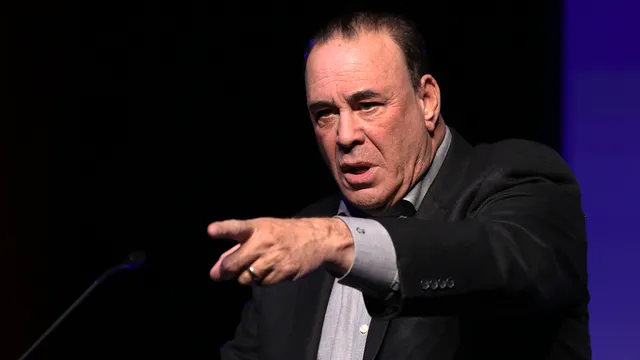
Jon Taffer champions AI as a vital tool for restaurant efficiency
Jon Taffer champions AI as a vital tool for restaurant efficiency
- Jon Taffer discusses the growing role of artificial intelligence in the restaurant industry, particularly in response to labor shortages.
- He emphasizes the importance of human connection in customer service, advocating against AI's presence in front-facing roles.
- Taffer views AI as an effective tool for back-of-house efficiency, capable of managing inventory and labor costs, thus saving businesses money.
Story
In light of ongoing labor shortages and heightened operational costs, artificial intelligence is increasingly transforming restaurant operations, particularly in the United States. Jon Taffer, a notable hospitality consultant and host of the show 'Bar Rescue', shared insights on this topic during an appearance on FOX Business. He highlighted how staffing difficulties are prompting restaurant operators to seek enhanced efficiencies in their businesses. In this context, Taffer underscored the importance of human connection in the dining experience. He firmly believes that customer interactions should remain personal and human, thus preferring to keep AI away from the front of house operations. Instead, Taffer advocates for utilizing AI as a crucial tool in the back of house, where it can significantly affect a restaurant's margins. He explains that AI technology can effectively manage various operational aspects such as inventory, order processing, ticket times, and labor costs, optimizing these processes to save considerable dollars. As this technology advances, Taffer emphasizes that it doesn't experience issues that typically afflict human employees, such as illness. AI's ability to remain consistently operational makes it an attractive option for enhancing efficiency in the restaurant industry. Taffer's expertise and hands-on experience in the hospitality sector are notable, given his long-standing commitment to helping struggling establishments. He has built a reputation for not only improving business efficacy but also preserving the vital human connections that are paramount in the industry. His insights into the incorporation of AI reflect a gradual shift in the restaurant landscape, driven by necessity rather than novelty, as operators are compelled to adapt to the changing economic environment and labor market. The challenges facing the restaurant industry are compounded by a declining male workforce in America, further intensifying the search for labor solutions. Consequently, Taffer's emphasis on back-of-house AI applications serves as a response to these pressing operational issues, aiming to streamline operations without sacrificing the core values of hospitality that ensure customer satisfaction. Ultimately, he sees this as a win-win situation, providing both efficiency gains and reinforcing personal interactions in dining experiences.


