

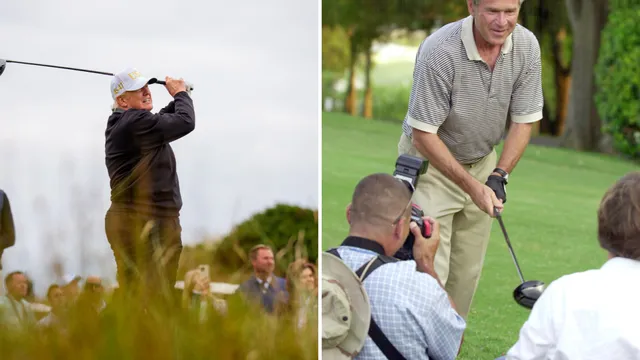
George W. Bush quit golf during Iraq War to support military families
George W. Bush quit golf during Iraq War to support military families
- In May 2008, George W. Bush stated he quit golf in solidarity with military families during the Iraq War.
- Bush's comments resurfaced in March 2026 amid discussions of Donald Trump's golfing habits during the Iran conflict.
- The resurfacing of Bush's quote sparked debate about presidential conduct and empathy during wartime.
Story
In May 2008, during a live interview with Yahoo and Politico, former U.S. President George W. Bush stated that he decided to give up playing golf during the Iraq War as a sign of respect for military families. He expressed a sense of solidarity with those who were suffering due to the ongoing conflict. Bush recalled being on the golf course in Texas when he was informed about the casualties, which led to his decision to stop playing golf altogether. This statement was part of his first-ever interview targeted exclusively at an online audience, highlighting the significance of the moment in the context of the 2008 political landscape. The quote resurfaced in March 2026 amid discussions about President Donald Trump’s golfing habits while the U.S. was engaged in a new conflict in Iran. Social media users began sharing Bush's comments to draw comparisons between the two presidents' approaches to leisure during wartime, indicating a sense of disparity in their perceived empathy towards military families. This aspect became particularly relevant with images of Trump golfing shortly after attending a ceremony for service members killed in the ongoing conflict. While Bush's original comments about not playing golf during wartime were met with criticism back in 2008, their revival came as many aimed to highlight the optics of presidential behavior during conflicts. The critique not only centered on the act of golfing itself but also on the broader implications of the presidents' choices and how these choices were perceived by the public. As the war in Iran continues, the debate over the appropriateness of leaders enjoying leisure activities during military engagements remains a pressing issue. The discussions encompass not only the actions taken by current and former presidents but also the expectations placed upon them by the public regarding their symbols of leadership and solidarity with the armed forces.


