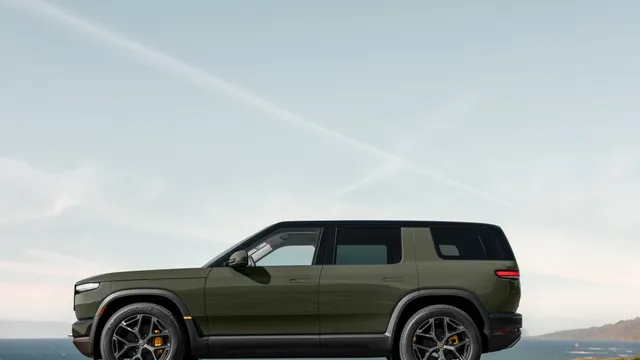
In a significant legal move, Rivian, an American electric vehicle manufacturer, has initiated a lawsuit against the U.S. government, specifically targeting tariffs imposed during the Trump administration. This lawsuit was filed in the U.S. Court of International Trade and seeks a full refund of tariffs that Rivian claims were unconstitutional, as ruled by the Supreme Court. The automaker's Chief Financial Officer, Claire McDonough, previously indicated that the company anticipates receiving a refund amounting to tens of millions of dollars. Rivian's lawsuit is part of a broader trend, as many companies are pursuing similar refunds for tariffs collected under the International Emergency Economic Powers Act (IEEPA). The tariffs were collected by U.S. Customs and Border Protection (CBP), which has acknowledged processing over $121 billion in potential and certified refunds. However, Rivian's legal team argues that despite the Supreme Court's ruling, there is no guarantee that the company will receive its refund, prompting the need for this lawsuit. The automaker is currently in the process of launching its first mass-market SUV, the R2, with plans to ship between 20,000 to 25,000 units by the end of the year. This rollout is crucial for Rivian as it aims to achieve profitability, although it may not reach this goal until 2028 due to significant investments in autonomous vehicle development. To bolster its financial position, Rivian recently raised approximately $1.3 billion through share sales. The lawsuit not only seeks a refund but also aims to declare the tariffs as contrary to law, which could have implications for other companies similarly affected by these tariffs.