

Prince Harry rebukes Trump for belittling NATO allies in Afghanistan
Prince Harry rebukes Trump for belittling NATO allies in Afghanistan
- Prince Harry emphasized the importance of recognizing the sacrifices made by NATO allies during the Afghanistan War.
- Trump faced backlash for claiming that NATO troops were not significantly involved in the conflict and that the US had not needed their support.
- The criticism from Harry and other leaders raises questions about the treatment and acknowledgment of the contributions made by those involved in the war.
Story
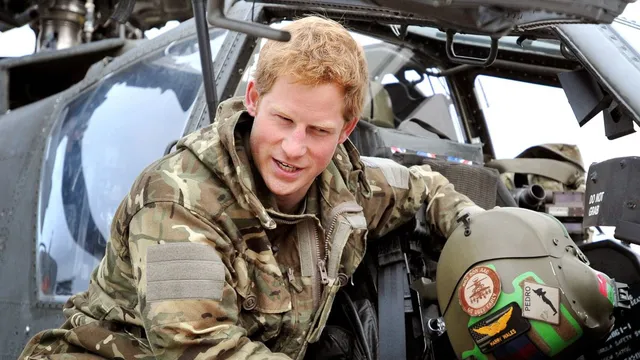
In response to comments made by President Donald Trump regarding NATO allies and their contributions during the Afghanistan War, Prince Harry publicly criticized the remarks. Trump suggested that NATO troops remained 'a little off the front lines' and claimed that the United States had 'never needed' its allies, which drew widespread condemnation from various political leaders, including British Prime Minister Keir Starmer. The controversy was fueled further by Trump's previous insults to allied nations and his own avoidance of military service during the Vietnam War. The British Army, where Harry served two tours, saw significant sacrifices, with 457 British service members losing their lives in Afghanistan. Harry emphasized that the sacrifices of these soldiers deserved recognition and respect, urging that the truth about their contributions be acknowledged in discussions about diplomacy and peace efforts. His criticism highlighted the importance of honoring the commitment and sacrifices made by allied forces in the prolonged conflict that began after the 9/11 attacks when NATO invoked Article 5 for the first time. The fallout from Trump's remarks has not only strained diplomatic relations but has also incited a broader discussion about the legacy of the Afghanistan War and the treatment of its veterans and families.
Context
The impact of the Afghanistan War on NATO countries has been significant and multifaceted, shaping military strategies, political dynamics, and public opinions within the member states. Initiated in response to the September 11 attacks and aimed at dismantling al-Qaeda and removing the Taliban from power, the war has extended for two decades, transforming the landscape of international relations. For NATO allies, the mission marked a historic moment as they operated under a collective defense framework, with Article 5 invoked for the first time. This unprecedented unity among members fostered deeper military cooperation, but it also exposed rifts over strategic objectives and operational methodologies, impacting the cohesion of NATO as a whole. Economically, the war imposed considerable financial burdens on NATO countries. The costs associated with military interventions, rebuilding efforts, and supporting Afghan security forces have escalated into hundreds of billions of dollars. These investments have prompted debates about the allocation of defense budgets and the prioritization of domestic issues versus international commitments. Furthermore, the consequences of the war have been felt by military personnel and their families, leading to discussions around veterans' support and the long-term care required for those affected by deployments. The war has also instigated discussions about military readiness and the balance of power within NATO, as nations reassess their defense strategies in light of lessons learned from operations in Afghanistan. Politically, sentiments regarding the Afghanistan War have varied across NATO countries, affecting domestic politics and international relations. Some member states faced significant public dissent regarding their involvement, leading to changes in governmental leadership and shifts in foreign policy. This public sentiment has influenced electoral outcomes, with calls for troop withdrawals and increased scrutiny of military engagements becoming prevalent. The war's end has left NATO grappling with how to redefine its role in global security, particularly as it confronts the rise of new threats such as cyber warfare and terrorism, which have evolved during and after the conflict. In conclusion, while the Afghanistan War has underscored NATO's capabilities and enhanced its cooperative framework, it has also laid bare the complexities of alliance dynamics, financial implications, and shifting public attitudes. The lessons learned from this prolonged engagement will likely inform NATO's future strategies, governance, and operational priorities. As NATO countries continue to navigate emerging challenges in international security, the experiences of the Afghanistan War will remain a pivotal reference point in understanding collective defense and cooperation among allies.


