

Colorado's coal plants face closure as community grapples with change
Colorado's coal plants face closure as community grapples with change
- Colorado is transitioning from coal to cleaner energy sources, with plans to close or convert coal-fired power plants by 2031.
- The coal industry has been central to Colorado's economy, creating identity and job security for many families.
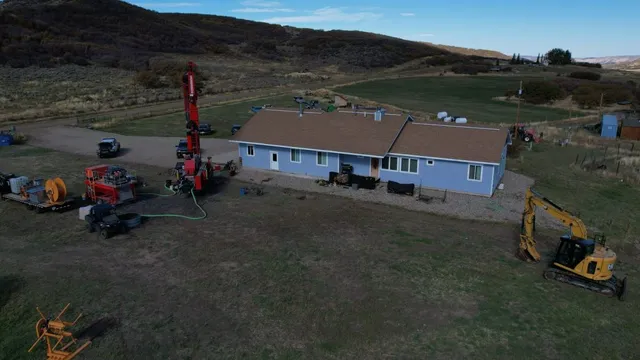
- The community is facing an identity crisis as they adapt to changes, with some turning to alternative businesses like geothermal energy and distilling.
Story
Colorado has long been reliant on coal as a major energy source, with coal contributing significantly to its economy since before statehood. However, recently, a shift towards cleaner energy sources has prompted the state to plan the closure or conversion of its six remaining coal-fired power plants to natural gas by 2031, a strategy aimed at reducing carbon emissions. The future of the coal industry is uncertain for the families who have historically depended on it for livelihood, such as the Coopers, who represented three generations of coal workers. They are moving to a geothermal energy business amid increasing job insecurities and the community's anxieties about their identity as a 'coal town.' The state has rapidly expanded renewable energy sources, with solar and wind energy combined yielding over 40% of Colorado's electricity in recent years, a figure projected to increase to over 70% by decade's end. The community expresses hope for a turnaround, sharing mixed feelings about moving away from coal, as some residents still cling to the hope that the previous presidential administration could intervene to save their coal plants and job security. Meanwhile, as businesses adapt, other local entrepreneurs have begun leveraging their skills from the coal industry for new ventures, such as distilling grain spirits. The ongoing transition underscores a significant and painful cultural shift in an area deeply entrenched in coal mining, community, and identity.
Context
The transition to renewable energy in Colorado has been a significant and multifaceted endeavor driven by the state's commitment to sustainability, economic growth, and reduced carbon emissions. Over recent years, Colorado has implemented various policies and initiatives aimed at increasing the percentage of renewable energy sources, such as solar, wind, and hydroelectric power. The state's abundant natural resources, particularly its high altitude and sunny climate, provide ample opportunity for solar energy development. Additionally, the strong winds across the plains have made Colorado a prime location for wind farms. Legislative measures have been put in place to support this transition, including renewable energy standards that mandate utilities to obtain a specific percentage of their energy from renewable sources. These standards have encouraged investment in clean energy technologies and infrastructure improvements, fostering a competitive market for renewable energy solutions. The economic implications of the transition to renewable energy in Colorado have been remarkably positive. The state has seen job growth in the renewable energy sector, which has become a significant contributor to the local economy. As traditional energy sectors, such as coal and natural gas, face decline due to market forces and climate considerations, the renewable sector has emerged as a viable alternative for employment opportunities. Investments in renewable energy projects not only create jobs in construction and manufacturing but also lead to long-term positions in operation and maintenance of renewable energy facilities. This shift is essential for regions that have historically depended on fossil fuel industries, as it allows for economic diversification and resilience against market fluctuations. Furthermore, public support for renewable energy initiatives has grown, largely due to increasing awareness of climate change and its impacts. Colorado residents have demonstrated a strong preference for clean energy, pressuring local governments to prioritize sustainability. Grassroots movements, along with advocacy from environmental organizations, have played a critical role in pushing for more ambitious renewable energy goals. This public backing has led to stronger policy frameworks and greater investments aimed at achieving the state's ambitious goals, such as the commitment to reaching 100% renewable energy by 2040. However, the transition also faces challenges, including the need for advancements in energy storage technology, grid integration, and ensuring equitable access to renewable energy resources. As Colorado continues to move forward, it is vital that stakeholders work collaboratively to address these challenges while also ensuring that the transition supports all communities, particularly those historically reliant on fossil fuel industries. In conclusion, Colorado's journey towards renewable energy is not only a testament to effective policy and public support but also an essential step towards a sustainable future.


