

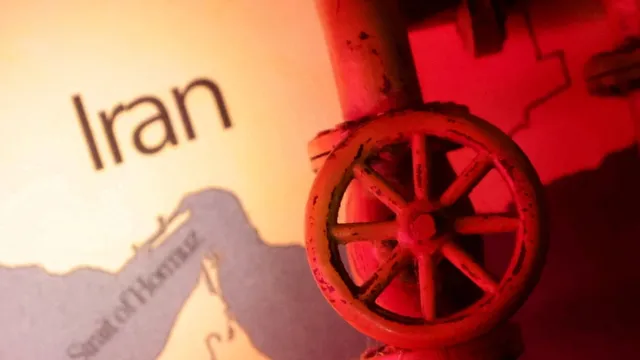
Trump threatens to obliterate Iran's power plants over Hormuz Strait blockade
Trump threatens to obliterate Iran's power plants over Hormuz Strait blockade
- Trump's ultimatum demands Iran fully reopen the Strait of Hormuz within 48 hours, threatening military action.
- The closure of the strait has already caused significant disruptions in global oil supply, affecting prices and living costs.
- Iran's military has retaliated with threats against U.S. infrastructure if their energy sector is attacked.
Story
On March 21, 2026, U.S. President Donald Trump publicly escalated tensions with Iran by issuing a 48-hour ultimatum demanding the full reopening of the strategically critical Strait of Hormuz. He warned in a post on Truth Social that if Iran did not comply, the United States would strike and obliterate its power plants, beginning with the largest one. This ultimatum follows a significant escalation of military conflicts in the region, as the Strait of Hormuz has been largely inaccessible due to Iranian blockades initiated amidst ongoing warfare. Trump's remarks reflect a notable increase in rhetoric amid rising tensions over energy supplies, as the waterway is known for being a crucial conduit for global oil transport, carrying roughly one-fifth of the world's crude oil. The closure of this strait has had substantial economic implications, contributing to soaring oil prices around the globe and severely impacting the cost of living for millions. Trump's actions appear to be part of a broader strategy to persuade nations using the strait for energy transport to play a military role in safeguarding navigation through this vital route. In response to Trump's ultimatum, Iran's military stated that any attack on its energy infrastructure would lead to retaliation against U.S. facilities in the region. This exacerbated political tensions, with Iranian threats echoing following air strikes believed to be carried out by Israel and the U.S. against Iranian targets.
Context
The Strait of Hormuz, a narrow passageway connecting the Persian Gulf with the Gulf of Oman, holds significance as one of the most vital maritime chokepoints in the world. Extending approximately 21 miles (34 kilometers) at its narrowest point, it serves as the primary transit route for a substantial percentage of the world's oil supply. The strategic importance of the strait has grown since the early 20th century, especially as oil became a dominant global energy source. Given that around 20% of the world's petroleum passes through this waterway, control and security of the Strait of Hormuz have profound implications for global economics and politics, shaping international relations in the region and beyond. Historically, control over the Strait has been a focal point among regional and global powers. The geopolitical landscape surrounding the Strait of Hormuz has witnessed significant transformations, influenced by various conflicts and alliances. The post-World War II era marked the emergence of oil-rich countries, particularly Iran, which later became a central player in the dynamics surrounding the Strait. The 1979 Iranian Revolution notably heightened tensions, as Iran sought to assert its authority over the region, leading to greater military presence and interventions from various nations, including the United States, which deemed the security of this maritime corridor vital for maintaining global energy stability. As tensions in the region fluctuated due to political upheaval, the threat of military confrontation loomed large over the Strait of Hormuz. Incidents such as the Tanker War during the Iran-Iraq War in the 1980s demonstrated the vulnerability of vessels navigating the strait, as attacks on oil tankers were employed as a strategy to disrupt oil exports, underscoring the potential for conflict in such a critical area. More recently, the potential for disruption has remained a topic of concern amid heightened tensions between Iran and the United States, coupled with naval exercises and military buildups from other regional stakeholders like Saudi Arabia and the UAE, driving home the strait's relevance to not only energy security but also international peace and security. Looking ahead, the Strait of Hormuz will likely continue to be a focal point of geopolitical interest, balancing the delicate interplay between trade, energy supply, and national security. The rise of alternative energy sources and shifting global energy dynamics may influence the future significance of the strait, yet its current role as a critical maritime route for oil and gas transportation remains irrefutable. As nations strategize to safeguard their interests in and around the Strait of Hormuz, it is essential to understand the historical context and evolving scenarios that underpin the strait's role in global market stability and international relations.


