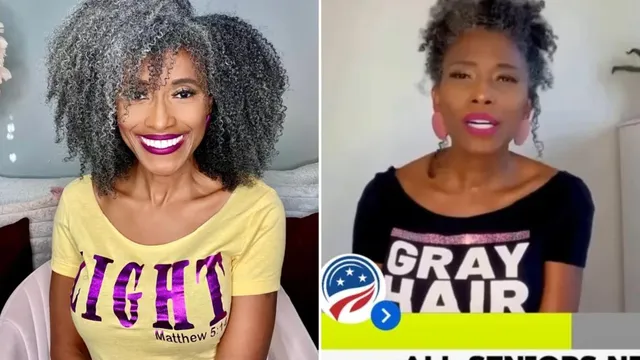
In recent years, the rise of deepfake technology has led to significant concerns regarding the exploitation of individuals' likenesses without their consent. This issue has particularly affected influencers and celebrities, including well-known figures like Tom Hanks and Oprah Winfrey, who have found their digital doppelgangers promoting products they never endorsed. The FBI reported that in 2025 alone, cybercriminals used copycatting techniques to defraud Americans out of approximately $893 million. These scams often involve creating fake social media accounts that impersonate celebrities, soliciting money or gift cards from unsuspecting fans. Influencer Bethenny Frankel highlighted the dangers of deepfake scams on platforms like TikTok, where her attempts to raise awareness about the issue were met with censorship. Despite TikTok's claims of strict policies against misleading content, many influencers feel that social media companies are struggling to keep pace with the rapid advancements in AI technology. The situation has prompted calls for better protection of individuals' intellectual property rights and a more robust response from social media platforms to combat the misuse of deepfake technology. As the technology continues to evolve, the potential for misuse remains a pressing concern for both individuals and the broader public, emphasizing the need for increased awareness and protective measures against such digital exploitation.