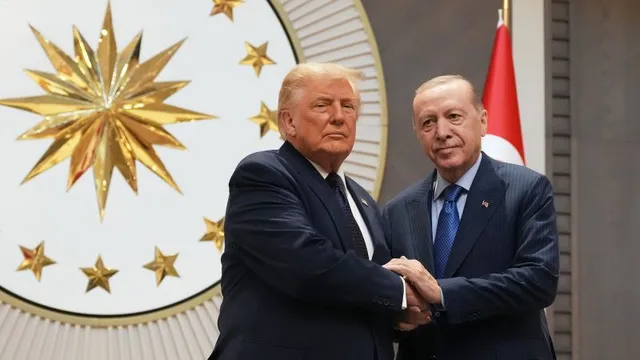
In early July 2026, President Donald Trump attended a NATO summit in Ankara, Turkey, marking the second time Turkey hosted such an event. The summit was significant as it brought together heads of state from NATO member countries to discuss key issues, including defense investment and support for Ukraine. Trump emphasized his desire to meet with Turkish President Recep Tayyip Erdogan, highlighting Turkey's strategic role within NATO despite its controversial foreign policy. The summit aimed to address NATO's defense capabilities and the need for European allies to increase their military spending, particularly in light of threats from Russia.
The backdrop of the summit included ongoing discussions about NATO's future direction, particularly in the context of the Trump administration's push for European allies to take greater responsibility for their own defense. This shift in focus was partly driven by the U.S. desire to reallocate resources towards the Indo-Pacific region, where tensions with China have been escalating. The NATO 3.0 initiative, which was under review, aimed to enhance the alliance's military capabilities and ensure that member countries meet their defense spending commitments.
During the summit, NATO leaders were expected to reaffirm their commitment to collective security, a principle enshrined in Article 5 of the NATO treaty. This principle has only been invoked once, following the September 11 attacks in the United States. The discussions were also set against the backdrop of Trump's previous criticisms of NATO, where he expressed disappointment over some allies' military spending and their lack of support in conflicts such as the Iran war. His remarks have raised concerns about the unity and future of the alliance.
As the summit unfolded, NATO Secretary General Jens Stoltenberg emphasized the importance of maintaining a united front against external threats, particularly from Russia, which has been increasingly aggressive in its military posturing. The summit was seen as a crucial opportunity for NATO to demonstrate its solidarity and commitment to collective defense, especially as European countries face growing security challenges. The outcomes of the summit would likely influence NATO's strategic direction and the level of cooperation among member states moving forward.