

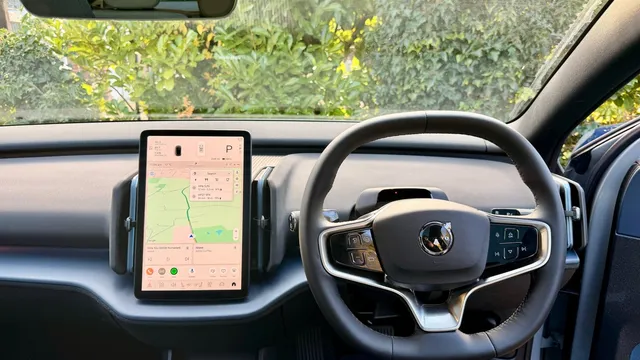
Frustration grows over touchscreens in modern cars
Frustration grows over touchscreens in modern cars
- Drivers are increasingly frustrated with the overuse of touchscreens in modern vehicles.
- Many manufacturers are recognizing the need for change and considering the reintroduction of physical buttons.
- Voice control systems may offer a safer alternative to touchscreen interactions, enhancing the overall driving experience.
Story
In recent times, drivers have increasingly expressed their dissatisfaction with the prevalence of touchscreens in modern cars, citing frustration and safety concerns. Many owners struggle to navigate complex menus while driving, which often leads to taking their eyes off the road for extended periods. Some brands, like Volvo, have introduced design changes that exacerbate this issue, replacing traditional displays with touchscreens that distract rather than assist drivers in monitoring essential functions such as speed and navigation. This growing frustration has prompted a movement among car manufacturers to reconsider their design strategies, with many acknowledging the need to bring back physical buttons to enhance user experience and safety within vehicles. Companies like Volvo aim to integrate advanced voice control systems, such as Google's Gemini AI assistant, into their models to allow for safer, hands-free operation. These developments highlight a broader trend in the automotive industry, where the challenge remains not only to improve technology but also to ensure that it does not detract from the driving experience. The push for voice-activated systems is seen as a key solution to minimizing distractions caused by touchscreen interfaces, signaling a potential shift towards a more intuitive and user-friendly approach to in-car technology.


