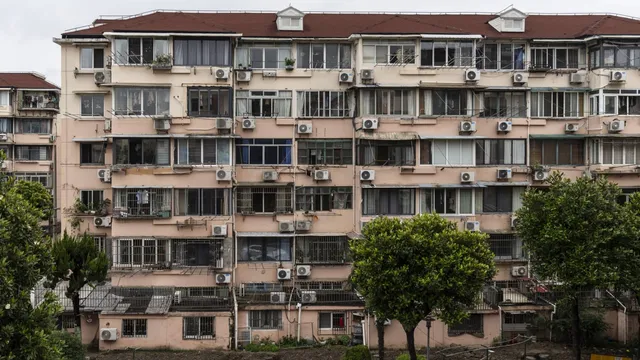
In recent months, homebuyers in China have begun to return to the real estate market after a prolonged slump that has lasted for five years. This resurgence is characterized by a notable shift in buyer preferences, as many are opting for older apartments rather than new constructions. The apartments in question were primarily built during a construction boom inspired by Soviet architecture in the 1970s and 1980s. These properties, referred to as laopoxiao, which translates to 'old, shabby, and small,' are often criticized for their poor insulation and outdated plumbing systems. Despite these drawbacks, buyers are drawn to these flats due to their prime locations, which typically offer access to good schools, public transportation, and other essential amenities. This trend has led to a surprising increase in the value of smaller homes in certain cities, defying the overall decline in the national real estate market. For instance, the average price of apartments in Shanghai that are smaller than 70 square meters rose by 2.4% from a low in November through the end of April, according to research from Proptech Innovations. This situation highlights a significant shift in the dynamics of the housing market in China, where location and accessibility are becoming more critical factors for buyers than the condition or age of the property itself. As the market continues to evolve, it remains to be seen how developers will respond to this changing demand and whether they will adapt their strategies to cater to the preferences of these returning homebuyers.