

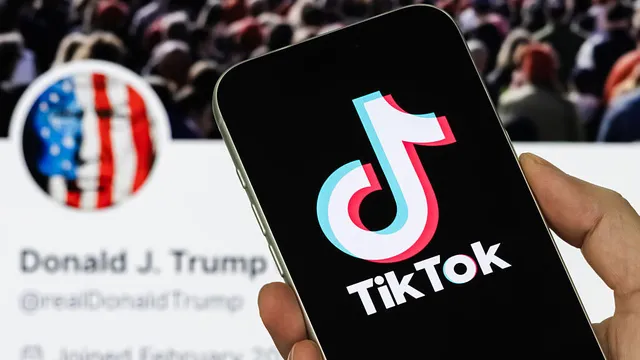
US TikTok faces backlash after major glitch due to data center outage
US TikTok faces backlash after major glitch due to data center outage
- TikTok's issues surfaced on a Sunday and were confirmed to be caused by a power outage at a US data center.
- The app's new ownership sparked allegations of censorship among users discussing critical political topics.
- TikTok issued an apology while working to restore services amid rising user concern and investigation.
Story
In January 2026, users of TikTok in the United States experienced significant glitches quickly attributed to a power outage at a US data center. The issues began on a Sunday and resulted in problems such as slow app performance, content not loading properly, and unusual visibility issues affecting user-generated videos. According to reports, many users flagged these problems on social media, with outages documented by service monitors like DownDetector, indicating over 600,000 users reporting issues within a 24-hour period. The glitches occurred during TikTok's first weekend under new ownership by a joint venture connected to partisan political figures, triggering speculation and concern over potential censorship. Users voiced fears that the app could be manipulated to suppress left-leaning content, especially relating to sensitive topics such as immigration enforcement and recent shootings. Prominent personalities and the general user community took to various platforms, expressing discontent and alleging unfair treatment by the app's new administration. In response to the outages and growing public discourse around the app's reliability and accessibility under the new ownership model, TikTok issued an apology and assured users that efforts were being made to rectify the system issues. The TikTok USDS Joint Venture communicated their commitment to stabilize services quickly, sparking discussions on how the change in control might impact users' experience further. Users noticed that privacy settings had changed, allowing for more data collection, prompting yet more backlash and hesitance among the public regarding the app’s future. As the company works to overcome these technical problems, questions linger about both the management of the app and its operational alignment with new privacy policies, essentially establishing a tense environment for creators seeking to share their content freely. California Governor Gavin Newsom announced an investigation into the app's practices and how its management might affect democratic discussions and freedom of expression within the platform, further developing the growing narrative around TikTok as a cornerstone for political and social discourse. The implications of this incident reflect wider concerns about data privacy, governmental control, and the integrity of social media in shaping modern communication.
Context
The impact of TikTok ownership change on user privacy is a critical topic in today’s digital landscape. TikTok, a social media platform owned by the Chinese company ByteDance, has attracted significant attention regarding its data privacy practices and the potential implications of ownership changes. Given the global scrutiny of Chinese tech companies and their relationship with the Chinese government, users and regulators alike are concerned about how these dynamics may affect personal data handling and privacy protections in the platform. The question of trust is paramount; many users are wary about the extent to which their data is utilized and shared, particularly in light of past allegations that TikTok could be compelled to share user information with the Chinese government due to local laws. A sale or change in ownership could either alleviate or exacerbate these concerns depending on the new owner’s policies, jurisdiction, and commitment to user privacy. When ownership changes hands, there is often a new set of policies introduced regarding data usage and privacy. The ongoing debates about proposed changes in TikTok's ownership have highlighted the need for transparency and accountability in the way user data is handled. If TikTok were to be acquired by a company based in a country with stringent data privacy regulations, users might feel a greater sense of security, presuming that those regulations would enforce better protection of their data. Conversely, if ownership moves to an entity with less rigorous data privacy practices, users could encounter increased risks of their data being misused or inadequately protected. Thus, ownership transitions can significantly influence the user experience in relation to privacy. Moreover, the sociopolitical climate surrounding TikTok's ownership change cannot be overlooked. The platform faces pressures from various governments that perceive it as a potential national security threat. This context shapes user sentiment and influences policy decisions regarding data privacy on social media platforms globally. Users may seek more robust privacy features and clearer assurances of data protection following ownership changes, driving companies to enhance their security measures and transparency in response to evolving consumer expectations and regulatory demands. In conclusion, the implications of TikTok ownership change on user privacy are multifaceted and warrant careful examination. As ownership dynamics evolve, users remain vigilant and concerned about the safeguarding of their personal information. The outcomes of ownership changes not only impact user trust and experience on the platform but also set precedents for how tech companies navigate privacy in an ever-complex digital ecosystem. Policymakers and regulators will need to ensure that adequate frameworks are in place to protect users, regardless of ownership, while tech companies must prioritize transparency and user privacy to maintain trust in their platforms.


