

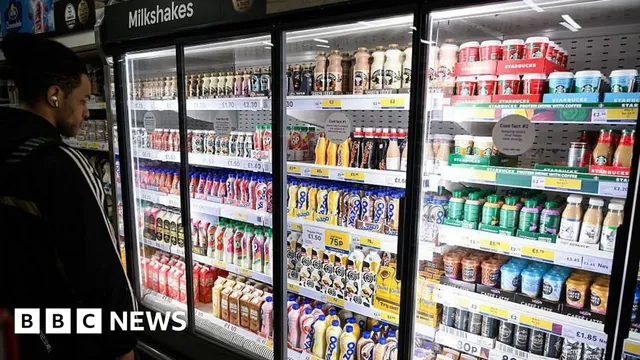
Government extends sugar tax to include milkshakes and lattes
Government extends sugar tax to include milkshakes and lattes
- The Health Secretary plans to end the exemption for milk-based drinks subjecting them to the sugar tax.
- This move follows a government consultation focusing on obesity and health.
- Extending the sugar tax is part of broader fiscal measures in the upcoming budget aimed at health improvement and revenue generation.
Story
In the United Kingdom, a significant shift in health policy concerning sugary beverages was announced recently. The Health Secretary, Wes Streeting, indicated that the government intends to apply the sugar tax to pre-packaged milkshakes, lattes, and similar drinks. This modification follows a government consultation aimed at addressing obesity, a prominent health crisis affecting the nation. It is aimed specifically at milk-based drinks, which were previously exempt from the tax, provided they contained at least 75ml of milk per 100ml, creating a loophole that allowed sugary content to evade taxation. The sugar tax, formally known as the Soft Drinks Industry Levy (SDIL), was first introduced in the UK in 2018 under the Conservative government to reduce the consumption of sugary drinks and combat rising obesity rates. The current structure of the tax imposes rates based on the sugar content: drinks containing between 5g and 8g of sugar per 100ml incur a tax of 19.4p per litre, while those with over 8g are taxed at 25.9p per litre. The government has observed a significant reduction in sugar content across beverages subject to this tax, with a reported average decline of 46% from 2015 to 2020. In light of ongoing health concerns, especially regarding children’s sugar intake—which is more than double the recommended limit of 5% of energy from free sugar—the government is evaluating tightening regulations further. Future considerations include possibly reducing the sugar threshold for the tax from 5g to 4g per 100ml. This initiative is a response not only to rising obesity figures but also to the pressing need for sustainable health improvements within the UK’s public health framework. Moreover, Chancellor Rachel Reeves is also expected to outline other fiscal measures in her autumn budget, including a potential increase to the living wage for young workers. As discussions around this budget evolve, the government is faced with the challenge of balancing revenue-raising efforts without appearing to breach their manifesto commitments. The proposed sugar tax extension signifies a dual approach of raising necessary funds while tackling key health issues, particularly relating to childhood obesity and public health in general.
Context
trends policy shift insight economic data data economic global impact global economic analysis strategic trends global insight data shift impact market trends policy geopolitical policy analysis strategic data analysis trends global market policy insight geopolitical analysis impact data analysis trends analysis impact shift policy global global market strategic analysis policy policy shift impact data economic geopolitical economic economic geopolitical insight insight insight impact policy analysis market impact insight market data market market data geopolitical data shift policy global policy economic...


