

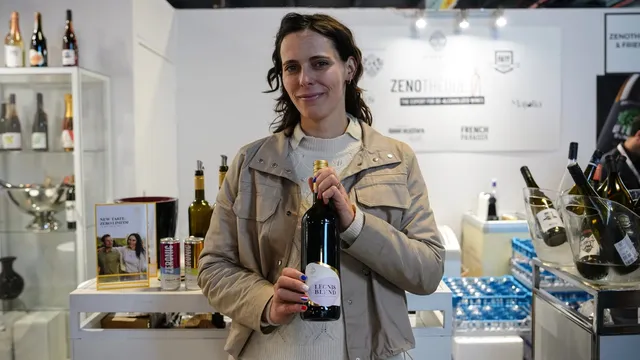
Zero-alcohol drinks surge as France embraces healthier choices
Zero-alcohol drinks surge as France embraces healthier choices
- In recent weeks, the Paris wine show showcased a wide array of zero- and low-alcohol drinks, reflecting growing consumer demand.
- Justine Bobin, a French teetotaler, emphasizes that no-alcohol options enable social inclusion for non-drinkers.
- The rise of no/low alcohol products indicates a broader societal shift toward healthier drinking habits in France.
Story
In recent weeks, the Paris wine show highlighted the increasing demand for zero- and low-alcohol beverages as consumption of traditional alcoholic drinks declines in France. This shift marks a significant change in drinking habits, particularly among young adults who are becoming more health-conscious and mindful of the effects of alcohol. Justine Bobin, a teetotaler in France, emphasizes the challenge of navigating social situations in a country known for its wine culture. However, the rise of no/low options allows for inclusive social interactions, enabling those who abstain from alcohol to join in toasting and sharing moments with their drinking peers. The international wine and spirits trade event showcased a range of no/low alcohol products from various countries, including Europe, South Africa, Australia, and New Zealand, reflecting a burgeoning market trend. As the traditional drinking culture evolves, even established alcoholic beverage producers are adapting their portfolios to include no-alcohol options, as demonstrated by Heineken's reported double-digit growth in non-alcoholic drinks despite a drop in overall beer sales. The French government is also taking steps to address the changing landscape, offering financial incentives to winemakers who choose to reduce vineyard outputs of less popular vintages. Producers like Katja Bernegger, who makes alcohol-free wines in Austria, believe that the trend towards no/low alcohol drinking is not just a fleeting phase but indicative of a broader societal shift. More people are prioritizing their well-being over the traditional social norms that revolve around alcohol consumption. Bernegger, who began exploring non-alcoholic options during her pregnancy, points out that sophisticated alternatives are necessary for those who prefer not to drink but still wish to savor the flavors and social connection typically associated with wine. This highlights a growing demand for products that accommodate various lifestyles and dietary choices. As attitudes toward alcohol evolve, it becomes clear that the no/low drinking movement offers an opportunity for inclusivity and healthier social engagements among diverse groups. This trend is reshaping the beverage industry, and it reflects a significant cultural shift in France, where drinking has long been a staple of social life. While traditional wine consumption declines, the rise of innovative alcohol-free offerings suggests that it is possible to enjoy social connections without the need for alcohol, paving the way for a new era of shared experiences at the dinner table or during celebrations.
Context
The market for no-alcohol beverages has been experiencing a significant transformation in recent years, fueled by shifting consumer preferences and increasing health awareness. As many individuals seek to reduce their alcohol consumption or completely abstain, beverages that offer the familiar flavors and social experiences associated with traditional alcoholic drinks are growing in popularity. This trend is not limited to any specific demographic; rather, it spans across various age groups and lifestyles, reflecting a broader cultural shift towards healthier living and mindfulness around consumption. No-alcohol beverages now include a wide array of options, from sophisticated mocktails to non-alcoholic versions of beer and wine, allowing consumers to enjoy the social aspects of drinking without the alcohol content. One driving factor behind the rise of no-alcohol beverages is the health consciousness of consumers. Increased awareness of the negative health effects associated with alcohol consumption, such as obesity, liver disease, and mental health issues, has spurred individuals to seek alternatives that are low in calories and free from harmful substances. Studies indicate that consumers are becoming more interested in products that promote wellness, leading to the innovation of drinks that not only provide the taste experience of alcoholic beverages but also incorporate functional ingredients that boost health benefits. This evolution is evident in the growing presence of no-alcohol beverages in supermarkets, bars, and restaurants, illustrating a shift in market dynamics that caters to the demands of a more health-oriented clientele. Furthermore, social acceptance of non-drinking lifestyles has gained momentum, thanks in part to the influence of social media and community-driven movements that champion sobriety and moderation. Platforms such as Instagram and TikTok have given rise to a vibrant no-alcohol beverage culture, where influencers showcase their favorite non-alcoholic cocktails and share personal stories about the benefits of abstaining from alcohol. This increased visibility has helped normalize the choice of opting for no-alcohol drinks, making it more mainstream and less stigmatized. As a result, many establishments are expanding their beverage menus, offering inventive non-alcoholic options that cater to the desires of modern consumers seeking flavorful alternatives while enjoying social gatherings. From a market perspective, the growth of no-alcohol beverages presents exciting opportunities for brands and new entrants looking to innovate within this space. Established beverage companies are expanding their portfolios to include non-alcoholic options, while startups are entering the market with unique products that push the boundaries of flavor and experience. Investment and research into this category have increased, signaling confidence in sustained growth and interest among consumers. The no-alcohol beverage segment is projected to continue expanding, driven by evolving preferences, the desire for mindful consumption, and the blending of taste with health benefits. As this trend develops, it is anticipated that no-alcohol beverages will transcend their current status as alternatives, establishing themselves as a permanent and celebrated part of the beverage landscape.


