

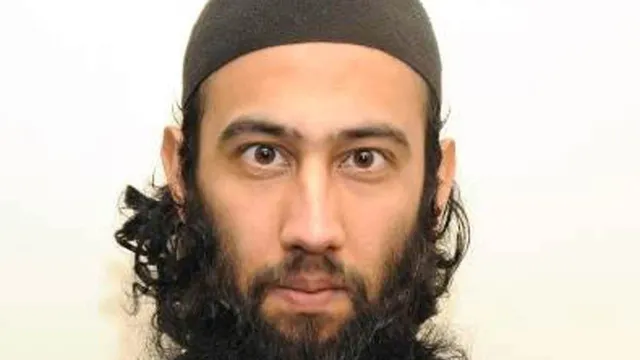
Parole Board approves early release of convicted terrorist
Parole Board approves early release of convicted terrorist
- Zahid Iqbal plotted a bomb attack and was sentenced to 16 years in prison in 2013.
- The Parole Board has decided to release him three years before completing his maximum sentence.
- There is significant public and political opposition to his release due to concerns over national security.
Story
Zahid Iqbal, a convicted terrorist in the UK, has been approved for early release by the Parole Board. Iqbal has been imprisoned since 2013 after plotting a bomb attack inspired by al-Qaeda, wherein he and an accomplice discussed using a remote-controlled toy car to carry a homemade bomb under the gates of a Territorial Army centre in Luton. The two men, Iqbal and Mohammed Sharfaraz Ahmed, were apprehended through covert surveillance and subsequently detained for 16 years after admitting to engaging in conduct in preparation for acts of terrorism. They were each mandated to serve a minimum of 11 years and three months before eligibility for parole. A recent decision by the Parole Board allowed Iqbal’s release three years prior to the maximum term of his sentence, provoking considerable public outcry. Critics, including Shadow home secretary Chris Philp, have since called for the Justice Secretary to veto this release, highlighting the persistent threat posed by Islamist extremism in the UK and questioning the Parole Board's assessment of public safety regarding Iqbal's return to society. The case reflects broader concerns about balancing national security with the legal rights of prisoners and the evolving landscape of counter-terrorism measures within the country. As discussions continue about the implications of this decision, the safety of the public remains a focal point of the debate.


