

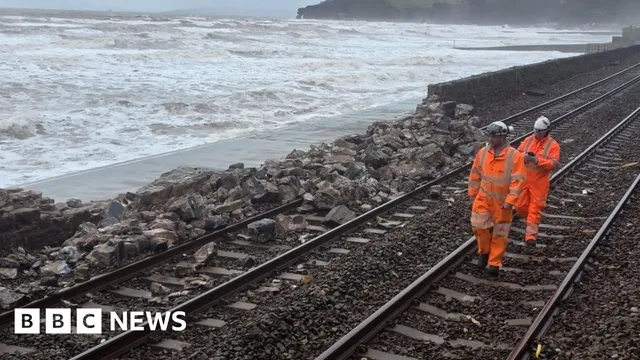
Storm Ingrid brings severe weather and flooding across the UK
Storm Ingrid brings severe weather and flooding across the UK
- Weather warnings for heavy rain and strong winds were issued across the UK as Storm Ingrid approached.
- Multiple incidents of flooding were reported, leading to road closures and high-risk situations in Scotland.
- The storm has caused significant disruptions, emphasizing the need for emergency responses and community safety measures.
Story
The UK has faced severe weather conditions due to Storm Ingrid, which has caused substantial rainfall and strong winds across various regions. The storm, named by the Portuguese national weather service, affected areas particularly in southwest England, Scotland, and Wales. The Met Office issued yellow weather warnings for heavy rain and wind that lasted several days, leading up to serious disruptions in rail and road travel. Emergency services responded to multiple incidents, including the rescue of three individuals stranded in floodwaters in Aberdeenshire. Various regions in Scotland, including Perth and Kinross, experienced road closures due to flooding. Late into the storm's progression, further rainfall and even snow were predicted for northern and eastern parts of the country, with the potential for more flooding to occur in already affected areas. The flood risk was compounded by saturated ground conditions following previously heavy rainfall, creating hazards for both travel and local communities. As the storm progressed, various emergency measures were taken, including the temporary suspension of ferry services and the implementation of speed restrictions on railways to ensure passenger safety. Amidst the disruptions, communities braced for continued vigilance against possible further flooding and wind damage. Overall, Storm Ingrid's impact has been notable, with ongoing assessments and recovery efforts essential to mitigate the damage it caused.
Context
As the UK faces the potential for severe weather in January 2026, it is imperative to prioritize preparations and readiness to mitigate the risks associated with such meteorological events. The combination of factors that typically contribute to severe weather includes low-pressure systems, increased rainfall, and the possibility of high winds. The government and local agencies are advising communities to be vigilant, as weather forecasts indicate the likelihood of challenging conditions over the coming weeks. Citizens are encouraged to stay informed through official channels such as the Met Office, which provides regular updates on weather warnings and safety measures to adhere to during adverse conditions. Preparedness is essential for both individuals and communities. The National Health Service (NHS) has recommended that people ensure their homes are winter-ready, which includes checking heating systems, insulating pipes, and having emergency supplies on hand, such as food, water, and necessary medications. It is also vital to have a means of communication in case of power outages, such as battery-powered radios or fully charged mobile phones. Community centers often serve as points of information and assistance during severe weather, so knowing the nearest resource can be beneficial for residents. In response to prior experiences with severe weather, strategies have been developed by local authorities to manage resources effectively during emergencies. This includes the establishment of early warning systems and the coordination of local emergency services. Local councils are tasked with clearing roadways and ensuring public transport remains operational where possible. Additionally, partnerships with community organizations provide support for vulnerable populations who may need additional assistance, including the elderly and those with disabilities. In light of these preparations, it is vital for the public to remain flexible and responsive to changing weather conditions. Individuals should have a plan in place for various scenarios, including potential flooding, loss of power, and access to transportation. Being mentally and physically prepared ensures safety and resilience in the face of adverse weather conditions. Active community engagement during such times is encouraged to foster a sense of solidarity and support among residents, reinforcing the UK’s collective strength in overcoming challenges posed by severe weather.


