

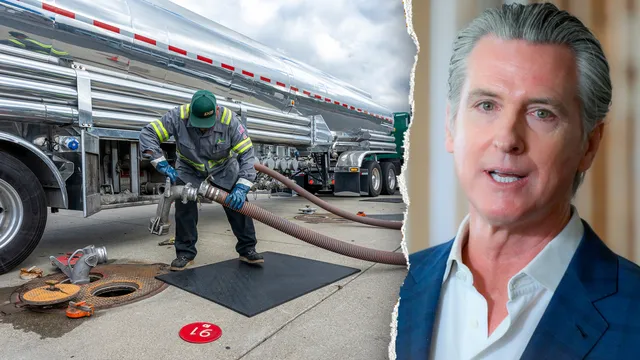
Chevron warns proposed energy regulations risk half a million jobs in California
Chevron warns proposed energy regulations risk half a million jobs in California
- California's gasoline prices are currently the highest in the nation, averaging $4.81 per gallon.
- Proposed energy regulations may lead to the loss of over 500,000 jobs and increase gas prices by more than $1 per gallon by 2030.
- Chevron warns that the regulatory changes threaten energy security and exacerbate the high cost of living for California residents.
Story
In California, Chevron has raised alarms regarding the potential impacts of proposed 'cap-and-invest' amendments aimed at reducing pollution within the state. The company's president, Andy Walz, has communicated to Governor Gavin Newsom that these regulations threaten the survival of California's remaining oil refineries, with significant ramifications for employment and energy stability. Chevron projects that the implementation of these new regulations could lead to an increase in gas prices by over $1 per gallon by 2030. Currently, California's residents already face the highest gas prices in the nation, averaging $4.81 per gallon compared to the national average of $3.25. Walz emphasized that such regulatory measures would disproportionately affect lower-income households, who allocate a significant share of their income towards transportation fuels. He argued that while the intent behind these regulations may be to promote cleaner energy, the resultant financial burden could worsen the already high cost of living across California. The ramifications extend beyond mere economics, threatening to destabilize energy supply chains and potentially compromising national security by decreasing fuel supply resilience on the West Coast. The California Air Resources Board (CARB), the agency responsible for regulating emissions, is taking aggressive steps to lower pollution caps and may conduct carbon auctions without adhering to standard open-meeting protocols. Chevron's objections highlight concerns regarding transparency in the regulatory process, as the hearings and decision-making may occur without public scrutiny. The company's leadership views the preservation of the refinery sector as vital to both job security and energy independence for the state and the nation. As the state government moves forward with its green energy agenda, Chevron asserts that it is not only an issue for the local economy but poses a broader risk to the energy stability of the United States as a whole. The impacts of these proposed regulations on employment and fuel pricing may lead to significant economic challenges, raising further questions about the balance between environmental goals and economic pragmatism in California.


