

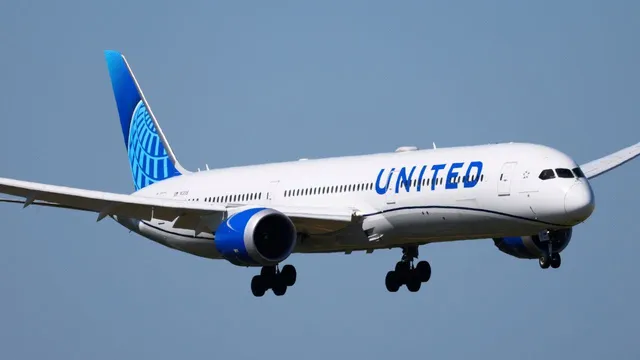
United Airlines expands premium travel amid rising fuel costs
United Airlines expands premium travel amid rising fuel costs
- United Airlines is expanding its premium seating options to counteract rising fuel costs amid the conflict in Iran.
- The airline plans to reduce capacity while expecting to take delivery of over 250 new aircraft by April 2028.
- This strategy aims to protect profit margins and attract high-paying customers amid increasing fares.
Story
In the backdrop of rising fuel prices influenced by the ongoing conflict in Iran, United Airlines has been strategically accelerating its focus on premium travel. The airline has projected that oil prices could remain elevated above $100 a barrel until 2027, with potential spikes up to $175. This situation presents significant challenges, as United's CEO Scott Kirby stated that the increased fuel costs may substantially exceed the airline's best-ever profits by about $11 billion annually. To navigate through these financial pressures, United intends to reduce its capacity by approximately five percentage points this year and shift its focus towards higher-margin premium seating. United Airlines is also preparing for a major fleet expansion, expecting to take delivery of over 250 new aircraft, which marks the largest intake of any airline over a two-year span. This delivery is set to include advanced Airbus A321neo 'Coastliner' and A321XLR models that are designed to enhance passenger comfort with lie-flat Polaris seats and larger premium cabins. The new aircraft will significantly increase the airline's high-end capacity, allowing United to provide nearly twice as many lie-flat seats as its nearest competitor, highlighting the growing industry trend towards catering to wealthier passengers who are less price sensitive. According to Andrew Nocella, United's Chief Commercial Officer, the demand for premium travel remains robust. The airline has successfully increased premium seating per North American flight by about 40% since 2021, suggesting that travelers are willing to accept higher fares amid ongoing inflation and increased costs. In response to these shifts, the airline has also undertaken significant recruitment efforts, hiring over 60,000 employees and revolutionizing much of its fleet to align with changing market dynamics. Through this strategic repositioning, United Airlines aims to shield its profit margins from the adverse effects of fluctuating fuel prices while ensuring that traveler demand remains stable. The airline's focus on premium seating reflects a larger industry shift whereby airlines are increasingly targeting high-paying customers to offset the impact of rising operational costs. By cutting less profitable routes and enhancing its premium service offerings, United is betting on the resilience and continued willingness of affluent travelers to invest in higher prices for improved travel experiences.


