

TSA to charge $45 fee for travelers without acceptable IDs starting in 2026
TSA to charge $45 fee for travelers without acceptable IDs starting in 2026
- Starting February 1, 2026, TSA will charge a $45 fee for travelers who arrive without accepted identification such as a REAL ID or passport.
- This initiative aims to modernize the identity verification process and ensure safety at airports.
- The new policy has raised concerns among the public regarding accessibility and additional costs for travelers.
Story
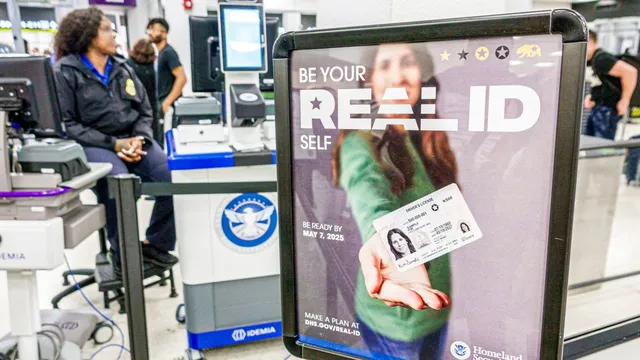
In the United States, a significant policy change has been announced by the Transportation Security Administration (TSA) which will take effect on February 1, 2026. Under this new rule, travelers arriving at TSA checkpoints without an acceptable form of identification, such as a REAL ID or passport, will be subject to a nonrefundable fee of $45. This initiative aims to streamline the identity verification process at airports and ensure compliance with safety regulations. The decision to implement this charge stems from the necessity to modernize existing systems and cover the operational, technological, and administrative costs associated with verifying a traveler's identity. As of May 7, 2025, standard driver's licenses will no longer be accepted for boarding domestic flights or accessing federal facilities, necessitating that a high percentage of travelers possess a compliant form of ID. Senior TSA officials indicated that approximately 94 percent of travelers already utilize REAL IDs or another approved form of identification. Passengers who do not possess an acceptable form of ID will be redirected to a verification process, typically requiring 10 to 15 minutes but potentially extending longer during busy airport times. They will need to pay the fee through pay.gov prior to proceeding to the TSA checkpoint. If identity verification cannot be accomplished, travelers may be denied access to the checkpoint and hence unable to board their flights. The intent behind this new fee structure is to enhance security and efficiency in the flying process, while ensuring that those who fail to comply with ID requirements bear the cost associated with their oversight. While some public sentiment around this new fee may center on concerns regarding access and potential additional costs for travelers, TSA officials emphasize that the program is designed to support traveler safety. By maintaining a stringent process for identity verification, the TSA aims to keep threats such as terrorism and crime at bay in domestic air travel systems. Furthermore, alternative options for identity verification, including mobile driver's licenses and digital IDs, have been recognized and accepted under this initiative, thus providing travelers with multiple avenues to ensure compliance and avoid disruptions during travel.


