

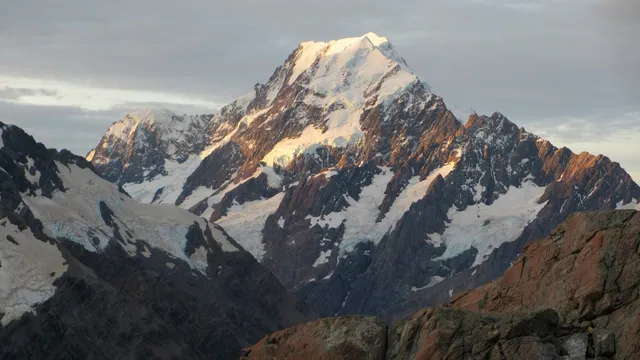
Tragedy strikes as climbers die on New Zealand's Aoraki
Tragedy strikes as climbers die on New Zealand's Aoraki
- Two climbers died while attempting to summit Aoraki, New Zealand's tallest peak.
- Search and rescue operations were initiated after the climbers requested assistance.
- The incident underscores the inherent risks of climbing challenging peaks.
Story
In a tragic incident on Aoraki, commonly known as Mount Cook, two climbers lost their lives while attempting to ascend New Zealand's highest peak, which stands at 3,724 meters. This event took place on Monday night, when authorities received a distress call regarding four climbers requiring assistance. Two members of the climbing group were successfully rescued by helicopter in the early hours of Tuesday, unharmed, while searchers tirelessly scoured the mountain for the other two climbers who were later found dead near the summit. The bodies of the deceased climbers were discovered still connected by their climbing harness, indicating that they had fallen together during their ascent.
Context
Climbing in New Zealand's highest peaks is an exhilarating activity that draws outdoor enthusiasts from around the world. However, these climbs are fraught with various hazards, a fact that climbers must be acutely aware of. The unique geography and climatic conditions of New Zealand create specific challenges that can significantly impact climbing safety. Many of the country's highest peaks, including Aoraki/Mount Cook and Mount Tasman, present a range of dangers, including variable weather, steep and treacherous terrain, and the risk of avalanches. Climbers must be well-prepared and informed about the specific peak they intend to tackle, as conditions can change rapidly and without warning, impacting visibility, temperature, and the overall safety of the route. One of the most notable hazards faced by climbers in New Zealand's mountain ranges is the weather. The Southern Alps, where many of the tallest peaks are located, experience diverse weather patterns that can shift unexpectedly. Heavy rain, snow, and fierce winds are not uncommon, and these elements can lead to dangerous climbing conditions. Climbers should check weather forecasts regularly and understand that conditions in the alpine environment can be extreme and erratic. Moreover, the risk of exposure to hypothermia and frostbite increases dramatically in severe weather, making appropriate gear and monitoring for symptoms critical to climber safety. In addition to environmental hazards, the physical challenges of climbing New Zealand's mountains cannot be underestimated. The routes often include technical climbing sections that require advanced skills and experience. Unstable rocks, crevasses, and steep ice fields pose significant risks, particularly for those who may be unprepared or unfamiliar with climbing techniques. Avalanches remain a constant threat during the winter months, and understanding snowpack stability is essential for climbers looking to navigate these areas safely. Conducting proper assessments of route conditions and having strategies for emergency situations can make a substantial difference in the climber's safety and success. Ultimately, climbing the highest peaks in New Zealand offers extraordinary experiences and breathtaking views, but it necessitates careful planning and respect for the inherent dangers. Education and preparation are key components of ensuring safety in this beautiful yet challenging environment. Climbers are encouraged to seek out knowledge from experienced climbers, participate in training programs, and adhere to safe climbing practices. By understanding the hazards present in New Zealand's highest peaks and taking proactive measures to mitigate risks, climbers can enhance their safety and enjoyment while exploring these stunning mountain landscapes.


