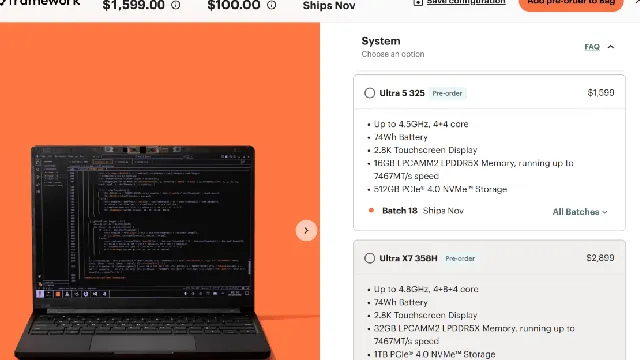
The impact of RAM prices on laptop costs is a significant factor in the overall pricing structure of laptops in the technology market. Random Access Memory (RAM) is a crucial component that affects the performance and efficiency of laptops. As the demand for higher performance laptops increases, the need for more RAM has also risen. Consequently, fluctuations in RAM prices can directly influence the retail prices of laptops, making it essential to understand the relationship between these two variables. In recent years, the RAM market has experienced considerable volatility, with prices rising and falling based on supply chain dynamics, production costs, and technological advancements. This volatility can lead to unpredictable pricing for consumers and manufacturers alike, impacting purchasing decisions and market trends.
The cost of RAM is influenced by various factors, including manufacturing processes, material costs, and global demand. For instance, during periods of high demand, such as the launch of new gaming consoles or advancements in artificial intelligence, RAM prices tend to increase due to the surge in production requirements. Conversely, when supply exceeds demand, prices may drop, allowing manufacturers to offer laptops at more competitive prices. This cyclical nature of RAM pricing creates challenges for laptop manufacturers, who must balance production costs with consumer expectations for affordability and performance.
Moreover, the integration of new technologies, such as DDR5 RAM, has also played a role in shaping laptop costs. As manufacturers transition to newer RAM technologies, older models may see a decrease in price, while the latest models equipped with cutting-edge RAM may command a premium. This transition period can create a disparity in pricing, where consumers may find it challenging to navigate the options available in the market. Additionally, the impact of global events, such as trade disputes or natural disasters, can further exacerbate the fluctuations in RAM prices, leading to increased uncertainty in laptop pricing.
In conclusion, the relationship between RAM prices and laptop costs is complex and multifaceted. As RAM continues to be a critical component in determining laptop performance, its pricing will remain a key factor in the overall cost structure of laptops. Understanding this relationship is vital for consumers, manufacturers, and industry analysts alike, as it can inform purchasing decisions, production strategies, and market forecasts. As the technology landscape evolves, keeping an eye on RAM pricing trends will be essential for all stakeholders in the laptop market.