

Majority of Americans oppose AI data centers in their communities
Majority of Americans oppose AI data centers in their communities
- A Gallup survey conducted in March indicated that 71% of U.S. adults are against AI data centers in their communities.
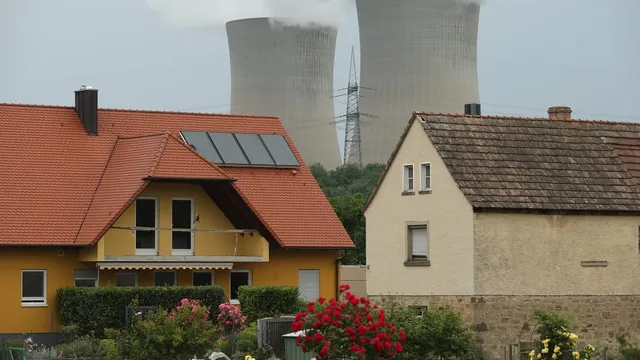
- In comparison, 53% opposed nuclear energy plants, highlighting a lower concern for nuclear risks.
- The strong opposition to data centers suggests a need for better education and communication about their impact.
Story
In March 2026, a Gallup survey revealed a significant opposition among U.S. adults towards the establishment of AI data centers in their towns. The survey found that 71% of respondents were against the construction of such facilities locally, with a notable 48% expressing strong opposition while only 27% were in favor. In comparison, the opposition to nuclear power plants was considerably lower, at just 53%. This marked the first time Gallup asked about public sentiment towards data centers, and the results indicated strong concerns among citizens. The opposition seemed to stem from fears related to resource strain, noise, and quality of life issues. Part of the surprise in these findings lies in the strong aversion to AI data centers contrasted with a relatively milder disapproval of nuclear power facilities. This difference can be attributed to the immediate and visible consequences of data centers, which can affect local communities through increased traffic, noise pollution, higher utility bills, and significant demands on energy and water resources. Nuclear plants, despite their potential risks—such as the possibility of meltdowns and long-lasting radioactive waste—evoke a feel of abstraction among the public, as their worst-case scenarios seem remote compared to the more tangible impacts of data centers. The survey results reflect an urgent need for proper communication and education around AI data centers and their implications. Experts like Park believe that the opposition arises from a lack of understanding about the opportunities presented by advanced technology, emphasizing the importance of enhancing public knowledge. Education and clearer marketing can potentially alter community perceptions and mitigate opposition. Furthermore, the anticipated water demand driven by AI technologies could match the annual usage of millions of American households by 2030, heightening concerns about the sustainability of local resources. The burgeoning energy consumption associated with data centers, which accounted for about 4.4% of national electricity use in the United States—expected to rise dramatically by 2028—intensifies apprehensions about their long-term viability. As the AI sector continues to expand, projected demand for data centers in the U.S. could almost double from 2025 to 2028, placing even greater strain on already-depleted resources. This rapid escalation—similar to integrating a country's worth of energy needs—poses critical questions about the environmental and social sustainability of such developments. If the trends of resistance persist without addressing public concerns, the consequences could include stalled technological advancements and increased public resentment toward the evolution of AI technologies.


