

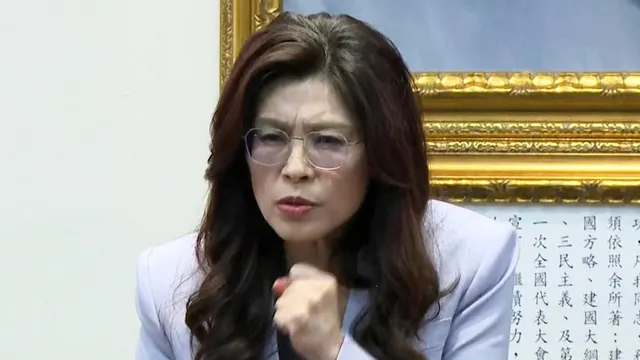
Cheng Li-wun promotes peace during historic visit to China
Cheng Li-wun promotes peace during historic visit to China
- Cheng Li-wun, chairperson of Taiwan's Nationalist Party, embarks on a historic visit to China, marking the first such visit in ten years by a KMT leader.
- Her push for improved relations with China comes during a delicate period marked by slowed defense budget approvals in Taiwan and rising tensions in the Taiwan Strait.
- Cheng aims to promote peace and reconciliation while maintaining Taiwan's relationship with the U.S., highlighting the challenges and divisions within Taiwan's public opinion.
Story
Taiwan's political landscape is undergoing significant changes as Cheng Li-wun, the chairperson of Taiwan’s Nationalist Party, prepares for a landmark visit to China. This visit, the first by a KMT leader in a decade, reflects her move to shift the party's stance towards a more pro-China approach, contrasting with her earlier positions advocating Taiwan's independence. Cheng's outreach is particularly notable given the ongoing tensions in the Taiwan Strait and the uncertainty surrounding the U.S. commitment to Taiwan in case of a conflict. Her visit comes at a crucial time, as the U.S. and China are preparing for high-stakes trade discussions and Taiwan's defense budget approval is stalled due to opposition concerns. Cheng has actively promoted the idea of stabilizing relations with mainland China through peaceful dialogue. Despite the historical context of Taiwan being a self-ruling democracy that has resisted Beijing’s claims of sovereignty, her outreach serves as a significant political maneuver. Cheng faces a divided public as many Taiwanese citizens question the reliability of U.S. support amidst rising tensions with China. This meeting with Chinese President Xi Jinping, planned before the Trump-Xi trade summit, signals Beijing's willingness to engage with high-level Taiwanese officials. The broader geopolitical landscape also adds complexity to Cheng's visit. With a $40 billion defense spending proposal by President Lai Ching-te facing pushback, Cheng’s pro-China stance raises concerns about Taiwan's military procurement from the U.S. The balance of arms sales and defense spending is critical for Taiwan's national security and its international standing. Additionally, Cheng's position on U.S. arms and defense does not reflect anti-American sentiments; instead, she emphasizes that improved ties with China can coexist with strong U.S. relations. Cheng's aspirations for peace come in sharp contrast to global uncertainties, particularly in light of rising tensions seen in regions like Ukraine. The Taiwanese leader's recognition that people do not wish to see Taiwan embroiled in a similar conflict shows her intent to present a moderate, peace-oriented image. This historic visit also demonstrates the shifting dynamics in Taiwan's politics, as she seeks to strengthen her party's influence while promoting peace and collaboration with a formidable neighbor. Her trip to the U.S. later this year signifies her efforts to secure international support going forward. With such a consequential meeting ahead, the ramifications of Cheng's diplomacy will significantly impact Taiwan's future relations with both China and the United States.


